



 647-812-5125
 Back to Ecommerce Glossary
What Is Engagement Rate?
Engagement rate measures how actively shoppers interact with a website rather than just viewing pages. This includes actions such as product browsing, link clicks, and interactions with on-site elements.
What Counts as Engagement in Ecommerce?
Engagement in ecommerce means a visitor actively interacts with the store instead of leaving without doing anything. Engagement shows interest in products and intent to explore, even when a purchase does not happen.
- Opening product pages to read details and reviews.
- Spending time or scrolling through content on the site.
- Adding products to the shopping cart.
- Interacting with visuals, like images and videos.
- Using search and filters to find items efficiently.
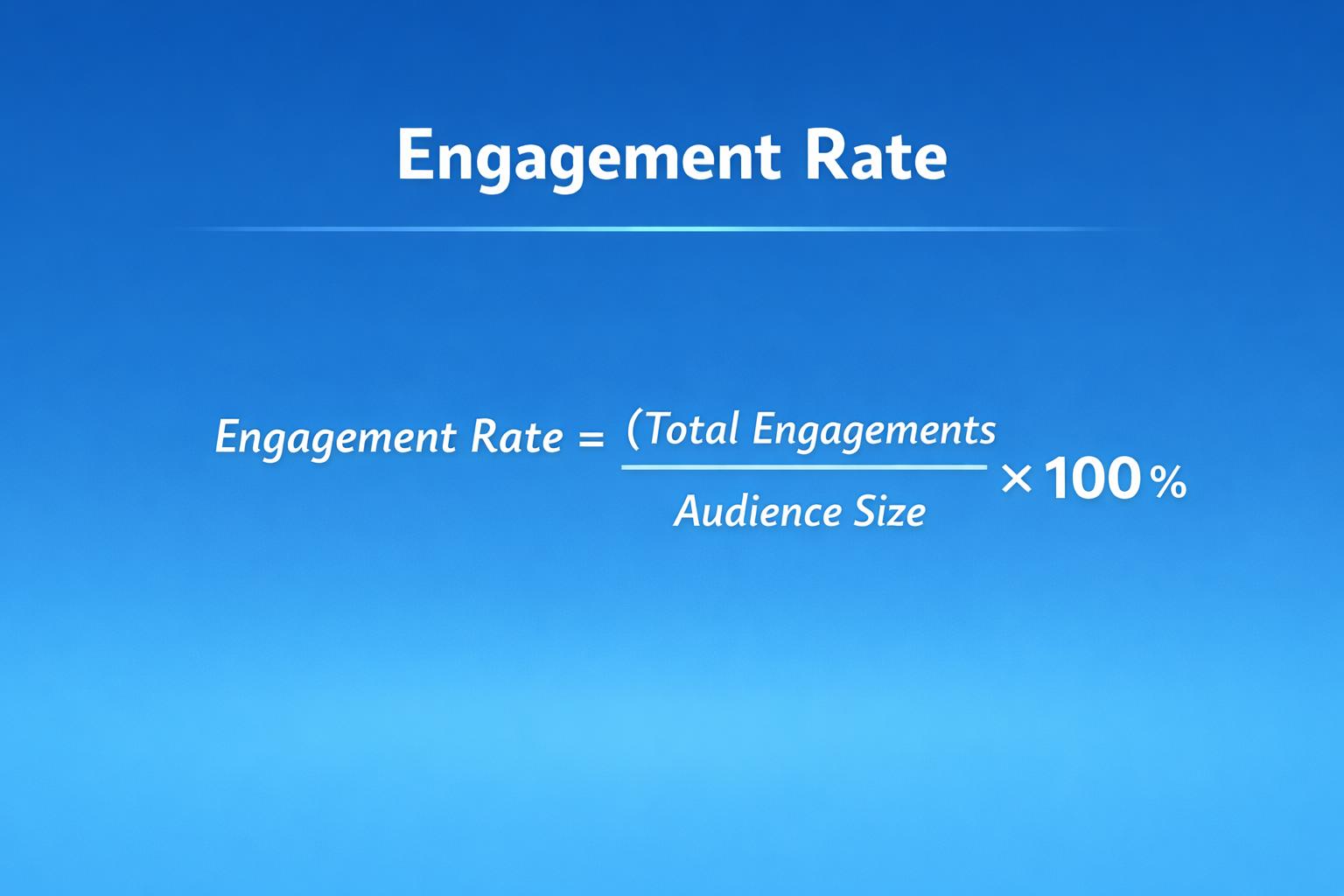
How Is Engagement Rate Calculated?
Engagement rate is calculated using recorded interactions (such as clicks, product views, or adds to cart) and a defined audience measure (visitors, sessions, reach, or impressions).
Why Does Engagement Rate Matter in Ecommerce?
Engagement rate shows if people actually do something useful on your store, not just click links or ads.
- Traffic quality signal: Engagement shows who is paying attention
- Intent indicator: Low engagement usually means low intent
- Explains weak sales: Visitors leave without interacting
- Paid traffic insight: Clicks don’t always mean interest
- Metric connection: Engagement supports conversion outcomes
How Is Engagement Rate Different From Bounce Rate?
Engagement rate and bounce rate measure different visitor behaviors. Engagement rate shows whether visitors interact with a store, while bounce rate shows whether they leave without doing anything. Looking at both together gives better context.
Engagement Rate and Bounce Rate Difference |
||
|---|---|---|
|
Aspect |
Engagement Rate |
Bounce Rate |
|
What it measures |
Visitor interaction with online store |
Visitor who exits the online store |
|
Focus |
Actions taken on the site |
Sessions with no interaction |
|
GA4 emphasis |
Primary engagement metric |
Secondary reference metric |
|
What it explains |
User’s Interest and intent |
Immediate drop-offs |
|
Strength |
Reflects meaningful activity |
Highlights weak entry pages |
|
Limitation |
Does not show exits alone |
Does not show engagement quality |
|
When it is useful |
Measuring interaction quality |
Identifying landing page issues |
What Are the Common Causes of Low Engagement Rate?
A low engagement rate usually means people land on a page but don’t interact with it. They don’t scroll much, don’t click, and don’t explore. In most cases, something feels off early on.
Reasons why visitors leave websites include:
- Ad and page mismatch
- The top of the page doesn’t immediately explain what your store offers or why it matters.
- Slow load times
- Poor mobile experience
- Confusing navigation making products and categories hard to find
How to Improve Engagement Rate?
Engagement rate improves when visitors understand the store quickly and feel a reason to keep going. Most of the time, small fixes do more than big redesigns.
Engagement Rate can be increased by:
- Offering Clear value proposition above the fold: Make it obvious what you sell and who it’s for as soon as the page loads.
- Stronger product imagery and content: Use clear photos and plain descriptions that answer common questions without forcing users to hunt.
- Faster load speeds: If pages take too long to load, visitors leave before they interact with anything.
- Mobile-first layout: Design for phones first, not as an afterthought.
- Navigation that makes sense: Build menus around how people actually shop, not just your internal setup.
- Guide the way: Make it easy for visitors to browse, filter, and add products to their cart.
When Does Engagement Rate Become a Key Metric?
Engagement rate is a key metric for understanding visitor behavior beyond the initial click. It can reveal interest and intent before a purchase. Use it to:
- Evaluate new campaign performance.
- Assess the quality of paid traffic.
- Prioritize conversion rate optimization (CRO) efforts.
- Improve content and user experience.
- Identify funnel drop-off points.