



 647-812-5125
 Back to Ecommerce Glossary
What Is Dropshipping?
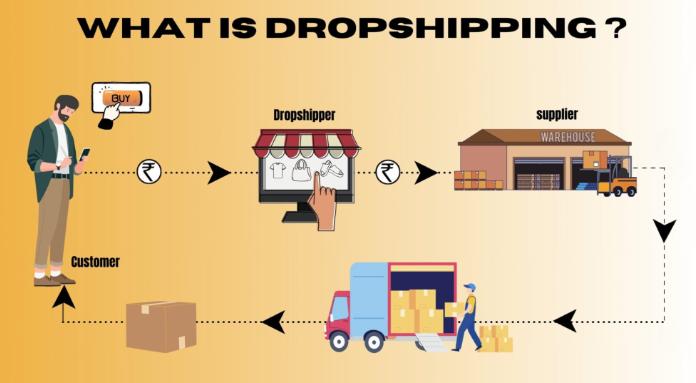
Dropshipping is an ecommerce fulfillment method where a store sells products without keeping inventory. When a customer places an order, the store purchases the item from a third-party supplier, who ships it directly to the customer.
The store manages marketing, pricing, and customer experience.
The supplier manages storage and shipping.
How Does Dropshipping Work in an Online Store?
Dropshipping works by dividing the work between two parties. The store takes the order and talks to the customer, while the supplier handles packing and shipping the product.
This is how the process usually happens:
- The store adds products from a supplier to its website
- A customer visits the store and places an order
- The store sends the order details to the supplier
- The supplier packs the product
- The supplier ships the product to the customer
What Does Dropshipping Include and What Does It Not Include?
Dropshipping helps with how products are shipped, not with how a business is run. It changes the delivery process, but all other business responsibilities stay the same.
What dropshipping includes:
- Selling products without buying inventory in advance
- Using suppliers to store products and ship orders
- Operating a branded ecommerce website
What dropshipping does not include:
- Running a marketplace like Amazon
- Guaranteed profit or quick income
- Freedom from marketing work
- Freedom from customer support
- A risk-free business
Many people struggle with dropshipping because they expect less work. In reality, it only removes the need to store and ship products yourself.
Why Do Ecommerce Businesses Use Dropshipping?
Businesses use dropshipping, one of the more accessible ecommerce business models, because it makes starting easier. It allows people to sell products online without spending a lot of money on the inventory at the beginning.
Businesses choose dropshipping because:
- They do not need to buy inventory upfront
- They do not need storage space
- They can try selling new products quickly
- They can add or remove products easily
What Are the Trade-Offs of Dropshipping?
Dropshipping offers freedom, but it also creates limits. The store gives up some control because another company handles shipping.
Common trade-offs include:
- Lower profits because suppliers charge fees
- Slower shipping times in some cases
- No control over how products are packed
- Dependence on suppliers doing their job correctly
- Harder returns and customer complaints
What Is the Difference Between Dropshipping and Holding Inventory?
Dropshipping and holding inventory are two different ways to run an online store. Dropshipping focuses on low cost and flexibility, while holding inventory focuses on speed and control. Many businesses start with dropshipping and move to inventory later.
Dropshipping vs Holding Inventory |
||
|---|---|---|
| Aspect | Dropshipping | Holding Inventory |
| Inventory cost | No need to buy products first | Products must be bought before selling |
| Product ownership | Supplier owns the products | Business owns the products |
| Shipping | Supplier ships orders | Business ships orders |
| Shipping speed | Depends on supplier location | Faster because stock is ready |
| Profit margins | Lower in most cases | Higher in most cases |
| Brand control | Limited packaging control | Full control over branding |
| Scaling | Easy to add products | Needs space and planning |
Dropshipping works better at the beginning. Holding inventory works better once sales are stable.
What Is the Difference Between Dropshipping and an Online Marketplace?
Dropshipping and online marketplaces are different ecommerce models where the key difference lies in who runs the store and how orders are fulfilled.
Dropshipping vs Online Marketplace |
||
|---|---|---|
| Aspect | Dropshipping | Online Marketplace |
| Purpose | Fulfillment model that allows selling without holding inventory | Platform that enables multiple sellers to list and sell products |
| Store ownership | Owned and operated by one business | Owned and controlled by the marketplace platform |
| Inventory ownership | Seller does not own inventory | Inventory is owned by individual sellers |
| Sellers | One seller per store | Many sellers on the same platform |
| Branding | Seller’s brand is visible to customers | Marketplace brand is dominant |
| Customer relationship | Seller owns the customer relationship | Marketplace owns the customer relationship |
| Fulfillment responsibility | Supplier ships products directly to customers | Seller or platform handles fulfillment |
| Role | Manages pricing, marketing, and customer service | Connects buyers and sellers and manages the platform |
| Examples | Independent online stores using third-party suppliers | Amazon, eBay, Etsy |
When Does Dropshipping Make Sense for Online Stores?
Dropshipping makes sense when a business wants to start carefully and learn first. It works best when the store owner is still testing ideas.
Dropshipping is useful when:
- Testing new products
- Starting with limited money
- Managing many changing products
- Planning to switch to inventory later