



 647-812-5125
 Back to Ecommerce Glossary
What Is a Size Guide?
A size guide is a reference that explains how a product fits, so customers can pick the correct size. A size guide helps shoppers to select the right size before purchasing a product. It is used for apparel, footwear, and other items where fit matters. Its main purpose is to reduce uncertainty when shoppers are deciding which size to select.
What Does a Size Guide Usually Include?
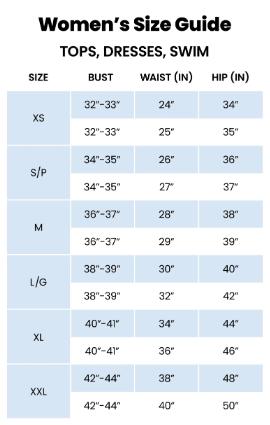
In a size guide, basic sizing details are included to help shoppers compare the product to their own body or fit preferences. It explains how sizing works for that specific item, not in general terms.
A size guide usually shows:
- Measurements like chest, waist, length, or foot size
- Size labels such as S, M, L or number-based sizes
- Size conversions for different regions, if the store sells internationally
- Short fit notes that explain how the item is meant to fit
Where Do Shoppers Use Size Guides During the Buying Process?
Shoppers use a size guide at the moment they are deciding which size to choose. This usually happens just before they add the product to the cart, when doubt is highest.
Size guides are most often checked:
- On the product page, while selecting a size
- Right before clicking “add to cart” to confirm the choice
- On mobile phones, where decisions are made quickly
What Are the Most Common Size Guide Problems?
Size guide problems appear when the information does not match the product or is hard to use. Sometimes the guide creates confusion instead of helping shoppers at the size selection stage.
Common issues in size guides are:
- Charts that don’t reflect how the product actually fits
- Size differences across similar products in the same store
- Measurements that are unclear or difficult to compare
- No explanation of whether the item runs small, large, or true to size
- Size guides that are hard to find or open
- Charts that are difficult to read on mobile screens
How Size Guides Reduce Returns and Improve Conversions?
Size guides help buyers to feel confident about their size before they purchase the product, it automatically reduces returns and improves conversions. When sizing is clear, people are more likely to complete the purchase instead of delaying or leaving the page.
Clear size guides help because:
- Shoppers feel more confident when they are choosing a size
- Fewer orders are returned due to a poor fit
- Buyers are less likely to second-guess at checkout
- Trust improves when products fit as per their expectations
How Does AI Support Size Selection?
AI supports size guidance by helping shoppers make better size choices using past data. It looks at previous purchases, returns, and patterns instead of guessing.
AI is often used to:
- Suggest a size on the basis of previous purchase of shopper
- Learn from return data to avoid repeat size mistakes
- Adjust size suggestions by product or brand
What Tools Support Size Guides?
Some tools help make size guides easier for shoppers to use and understand. These tools support the decision, but they do not replace clear sizing information.
Common tools include:
- Size chart tools that display measurements in a simple format
- Fit suggestion tools that recommend a size based on past behaviour
- Behaviour tracking tools that show where shoppers hesitate or leave
- Return tracking tools that highlight size-related issues
These tools help improve sizing decisions, but a clear size guide is still the most important part.