



 647-812-5125
 Share
Share
 Share
Share
 Tweet
Tweet
 Email
Email
 Summarize with AI


How AI Became the Primary Discovery Channel for Ecommerce
Search didn’t evolve quietly. It changed the way people look for products.
Not long ago, ecommerce discovery started with short keywords like:
“women running shoes.”
Today, that’s NOT how people search—or buy. Instead, they ask detailed,intent-heavy questions like:
“What are the best women’s running shoes under $300 for long-distance running, with good arch support and fast shipping in Canada?”
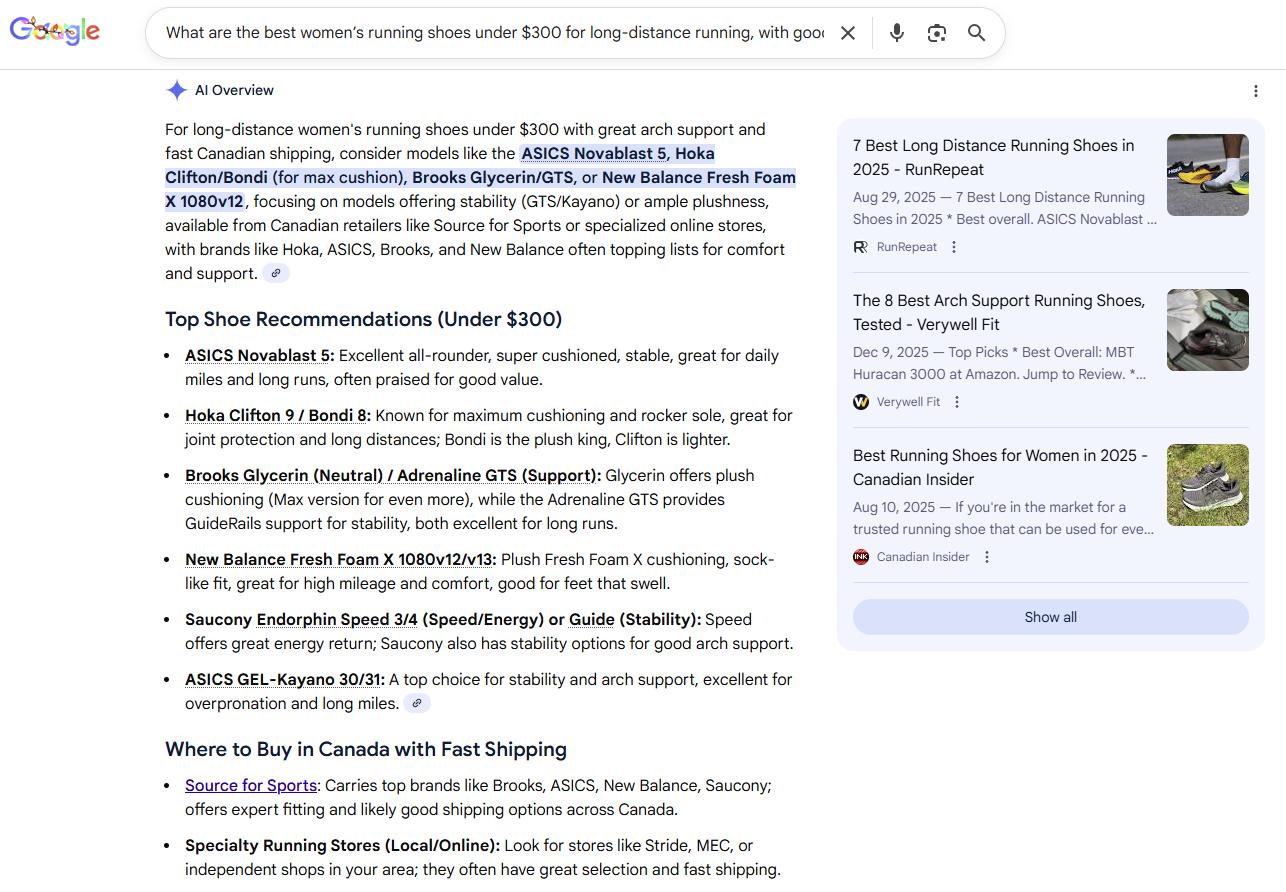
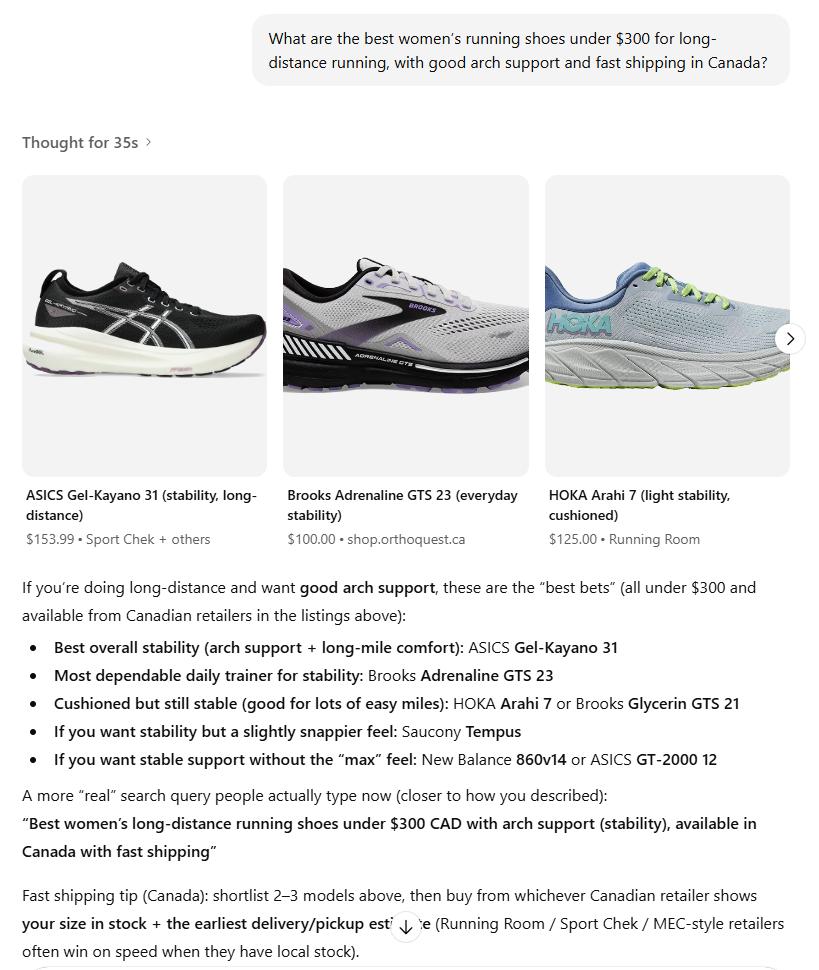
This is how Google AI Overviews and tools like ChatGPT/Perplexity now surface products: they summarize answers and recommend options directly from your content.
Here’s the result from Google AIO when you input the above prompt:
And from ChatGPT:
For a long time, visibility depended on backlinks, domain authority, and keyword matching. In 2026, those signals still exist—but they no longer decide who gets discovered. Your Ecommerce marketing strategies must adapt.
AI doesn’t care how many backlinks you’ve built. Instead, AI prioritizes stores that clearly explain product fit, context, and relevance at the moment a buying decision is made.
So the real question is no longer
“Is my store SEO-optimized?”
It’s:
“Is my Shopify website optimized to answer real customer questions?”
That’s the shift from Search Engine Optimization (SEO) to Answer Engine Optimization (AEO) – and it defines how ecommerce marketing in 2026 works.

Who This Guide Is For
- Shopify store owners who want AI-driven discovery in 2026
- Ecommerce marketing teams competing in Google AI Overviews (SGE/AIO)
- Brands trying to get cited by ChatGPT and Perplexity
- Agencies responsible for SEO + AEO + GEO
From SEO to AEO: The Shift Shopify Stores Must Make
This shift is based on what we’re seeing firsthand as Shopify stores adapt to AI-driven discovery and changing buyer behaviour.
Why Traditional SEO Alone Is No Longer Enough
Traditional SEO focuses on ranking pages. Answer Engine Optimization (AEO) focuses on making your store the best possible answer to a real customer question.
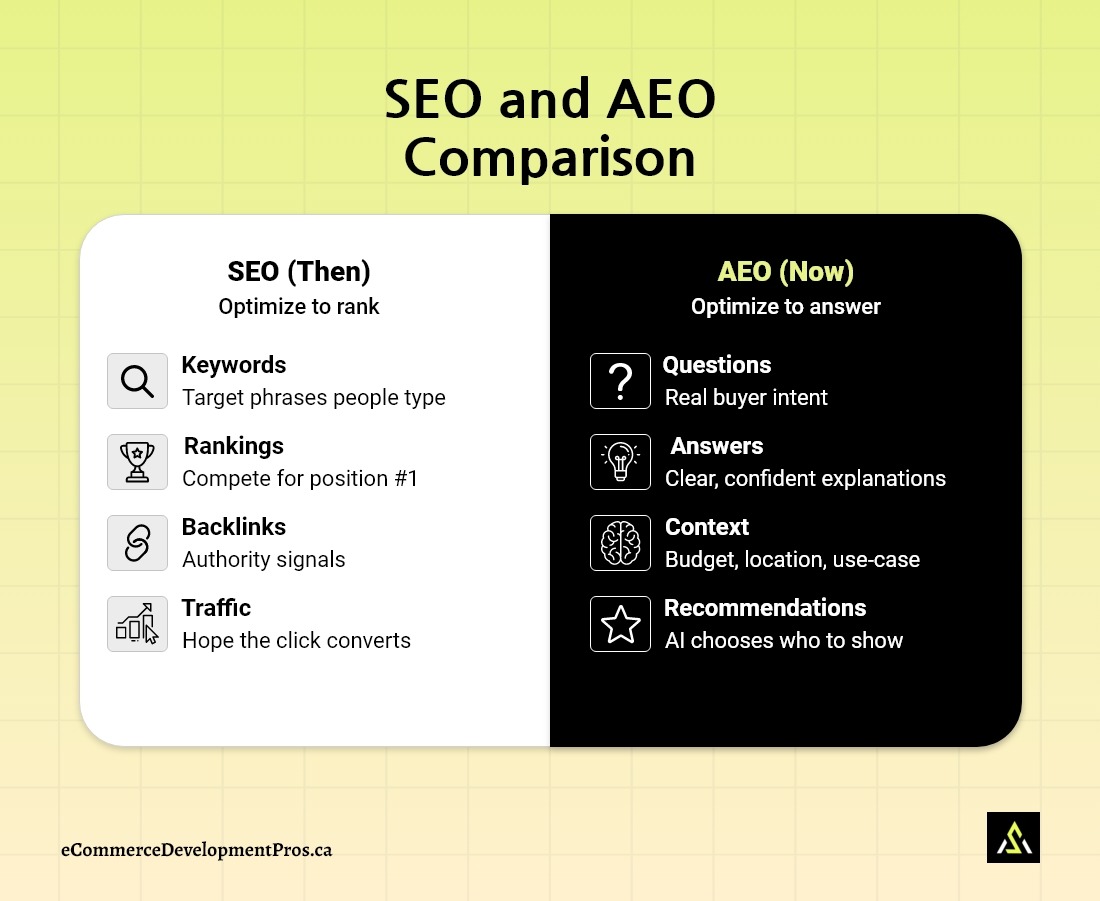
That difference explains why many eCommerce stores rank well in Google, yet never appear in AI-generated answers or recommendations.
In 2026, visibility is decided at the answer level — not the ranking level.
The AI Discovery Framework for Ecommerce in 2026
AI systems don’t rank ecommerce stores the way search engines once did.
They select which stores to recommend based on how clearly they understand product fit, intent, trust, and structure.
In 2026, ecommerce visibility depends on four signals:
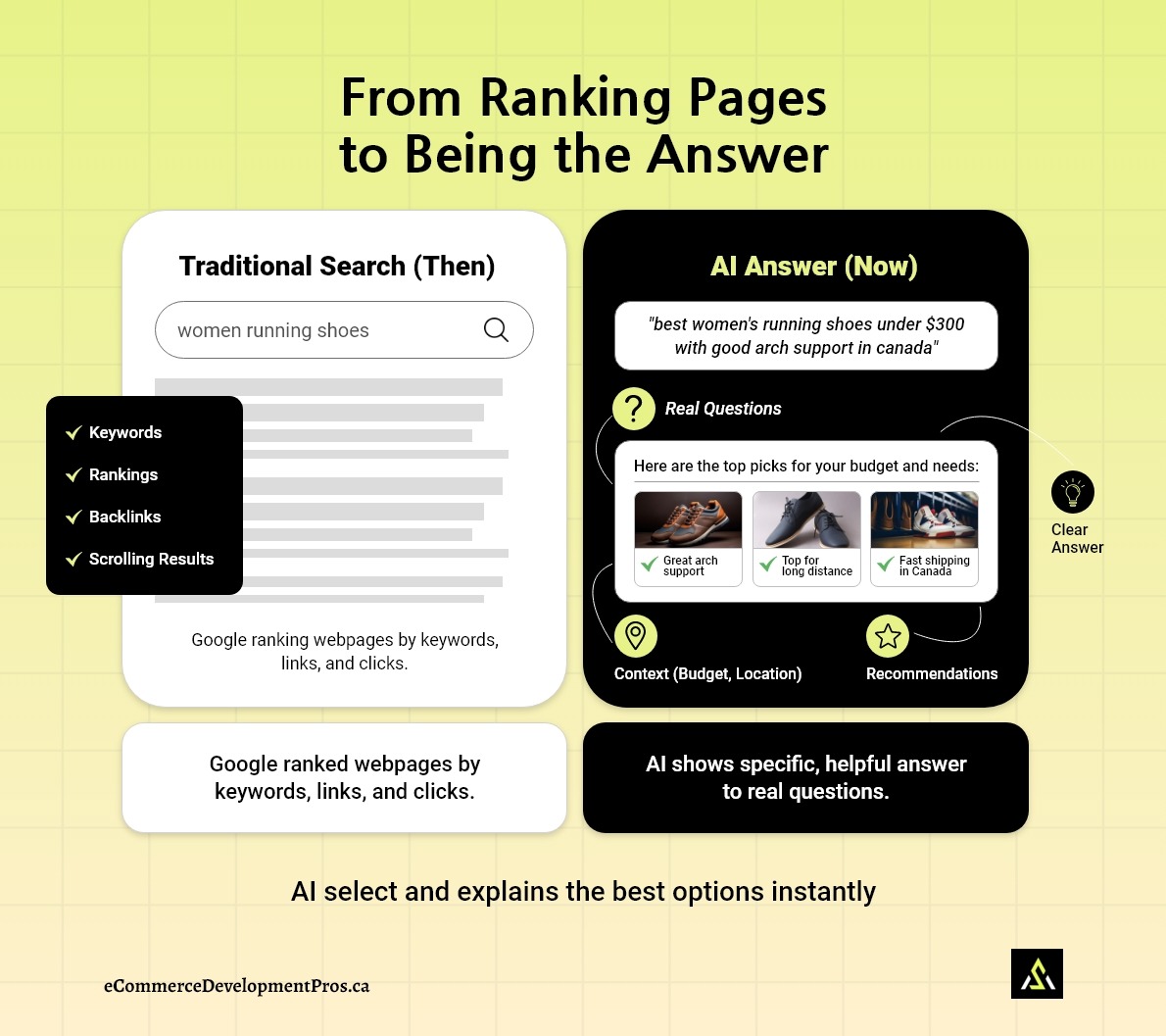
The P.A.C.E. Framework – How AI Chooses Which Stores to Recommend
P — Product Context
Who the product is for, what problem it solves, and when it’s the right choice.
A — Audience Intent
Shows whether the store matches what someone is looking to do—learn more, compare choices, or make a purchase.
C — Credibility Signals
Includes signals like reviews, clear shipping info, stable pricing, and easy-to-understand policies.
E — Extractable Structure
Content that is easy for AI to summarize: headings, bullets, FAQs, and internal links.
Why Being “AI-Discoverable” Is a Real Advantage in 2026
Being AI-discoverable changes when your store enters the buying journey. Instead of competing for early attention, your brand appears when shoppers are already evaluating options — which means fewer competitors, higher-intent traffic, and stronger conversion potential.
EDP Boost
AI suggestions beat ads because they reach users right when they’re ready—and already trust what they’re seeing.
Why AI recommendations beat ads (in 2026)
AI shows products when:
- The intent is already high (the shopper asked a buying question)
- Trust is implied (AI won’t suggest risky or unclear stores)
- The buyer needs fewer clicks to decide
What “AI-Discoverable” Actually Means for an eCommerce Store
In practice, AI-discoverability isn’t a feature or a plugin — it’s the result of how clearly your store communicates who your products are for, why they matter, and whether your brand can be trusted, all in a format AI systems can confidently understand and summarize.
An AI-discoverable store consistently aligns with the four signals defined in the P.A.C.E. Framework above.
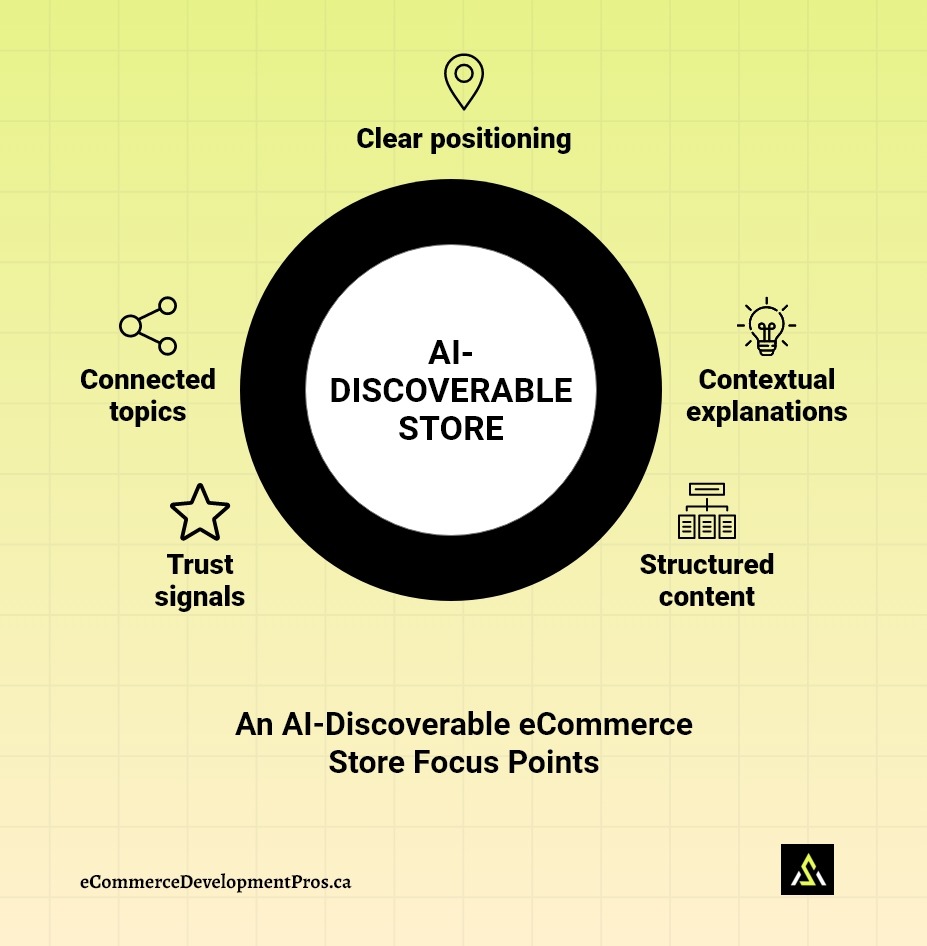
When these elements work together, AI systems can confidently interpret your store as a reliable answer and surface it at the moment shoppers are deciding what to buy.
EDP Boost
AI systems don’t reward “optimization tricks.” They reward clarity, consistency, and structure — the same things that improve conversions for real shoppers.
How AI Systems Discover, Evaluate, and Recommend Ecommerce Products
AI looks at how clearly a store explains who a product is for, how trustworthy it feels, and clear delivery expectations.
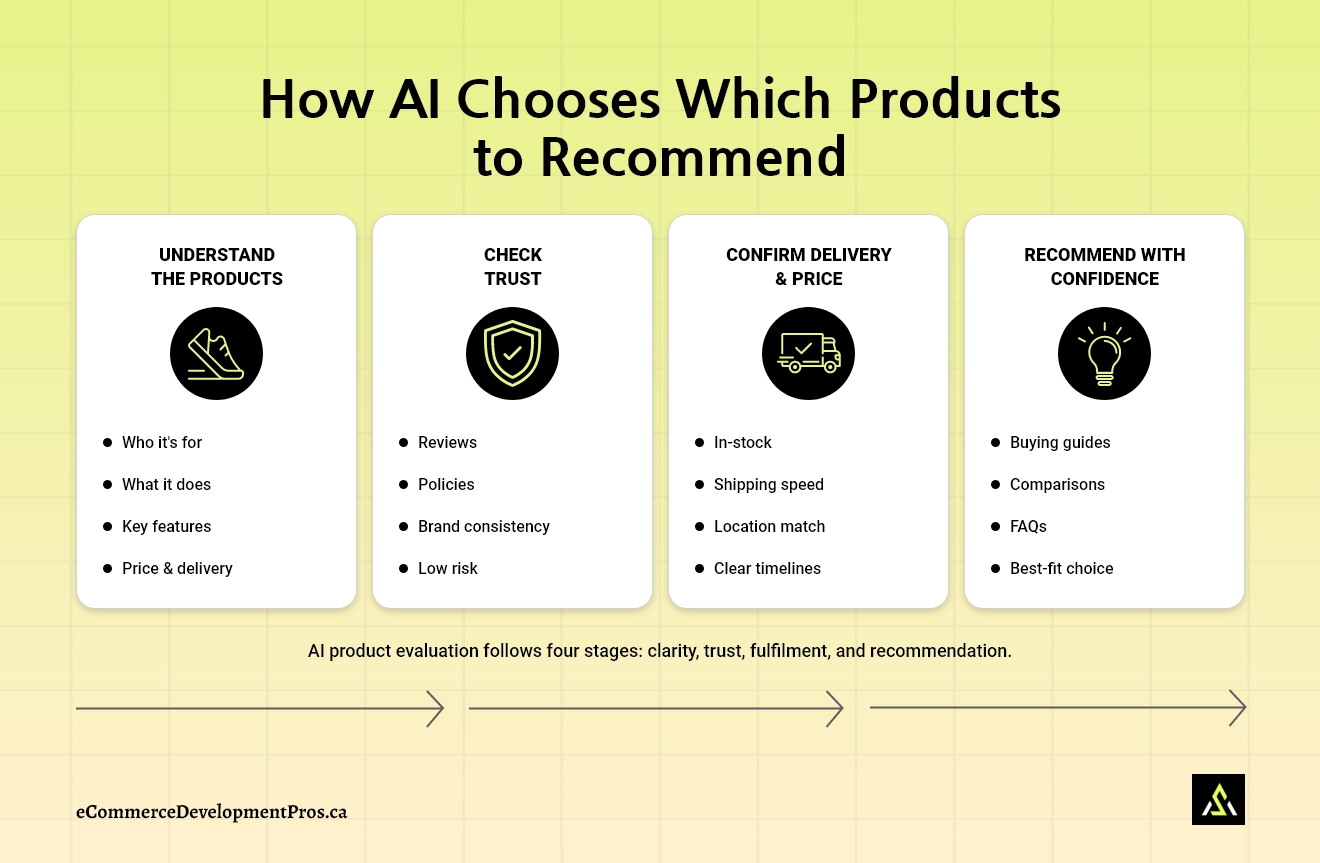
These factors reflect real shopping behaviour—not ads or sponsored results.
Step 1: How AI Understands Your Products (Product Context)
AI reads your product page to understand what the product is and where it fits.
For example, if someone asks:
“What are the best women’s running shoes under $300 for long-distance running, with good arch support and fast shipping in Canada?”
The AI system isn’t guessing. It looks for clear confirmation on the product page.
It needs to quickly see:
- Whether the shoe is meant for long-distance running
- The type of arch support it offers
- If it’s designed forwomen
- Whether the price is clearly under $300
- If shipping is available in Canada
When this information is easy to spot, the connection is straightforward.
This is why thin product copy fails in AI-driven discovery.
A feature list on its own doesn’t do much. It shows what’s included, but not how the product should be used or who it’s really for.
What makes the difference is context.
Clear descriptions that explain use case, fit, and intent help the product make sense quickly—both for shoppers and for AI systems.
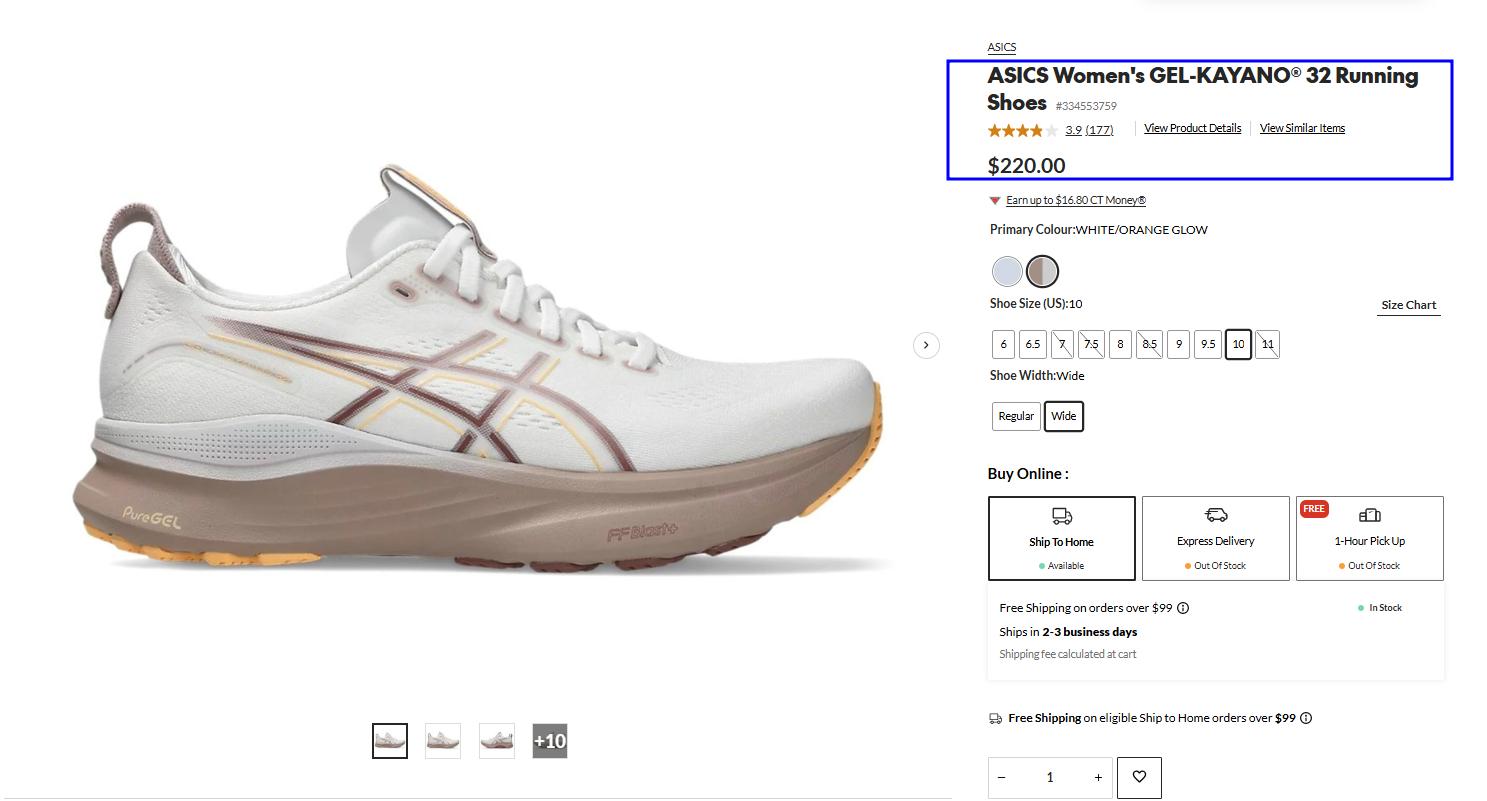
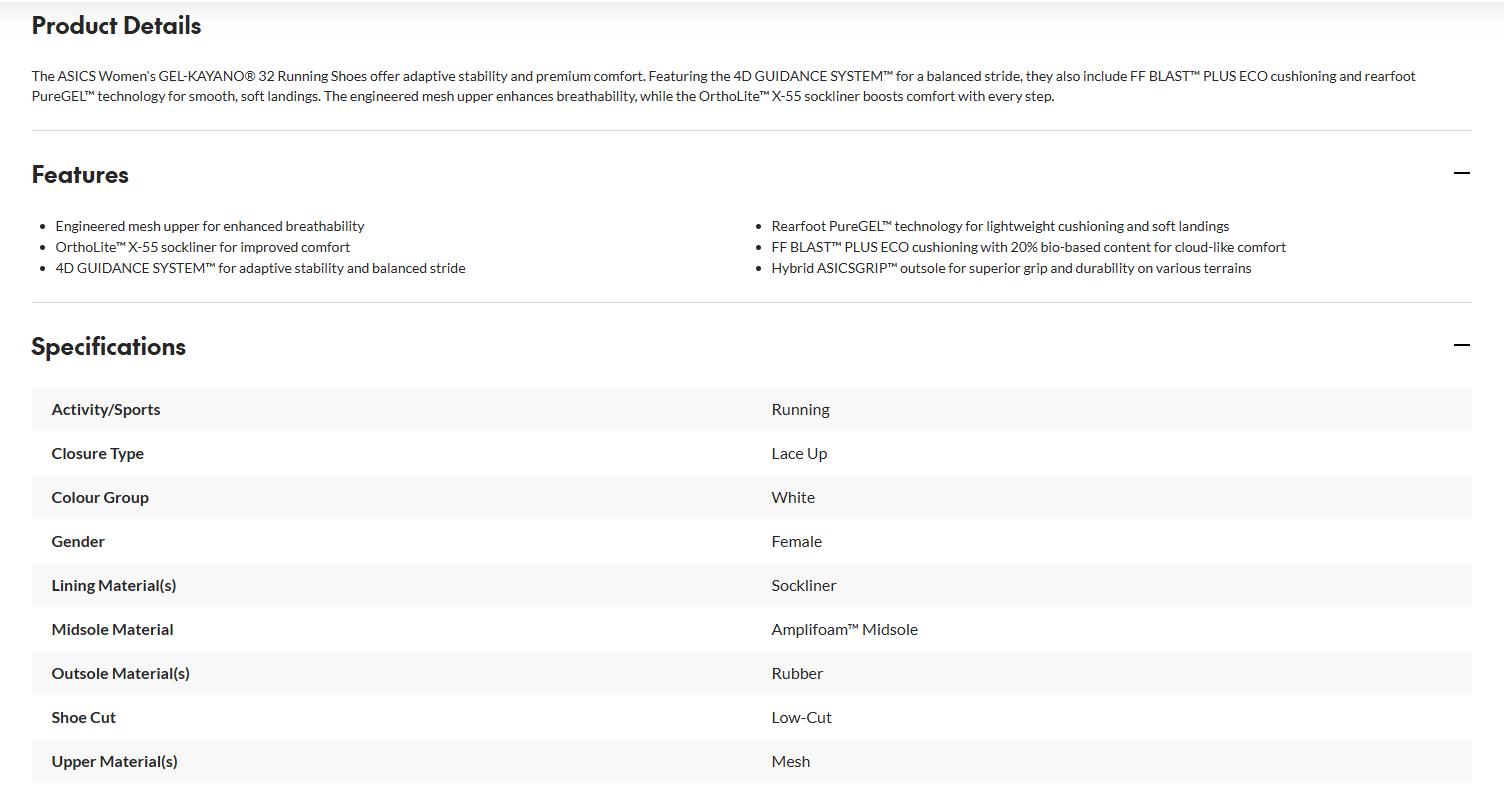
If AI can’t clearly describe your product in its own words, it won’t move forward to the next step.
Step 2: How AI Evaluates Trust and Credibility (Credibility Signals)
AI systems evaluate trust by looking for consistent signals that a store is reliable, transparent, and low risk for shoppers.
For example, running shoes—where comfort and fit matter—make this step even more important.
Things that AI Evaluates:
- Reviews that talk about actual use (not just general praise)
- Ongoing reviews over time
- Policies that are easy to find and read
- Consistent messaging across the site
When these are in place, things feel straightforward.
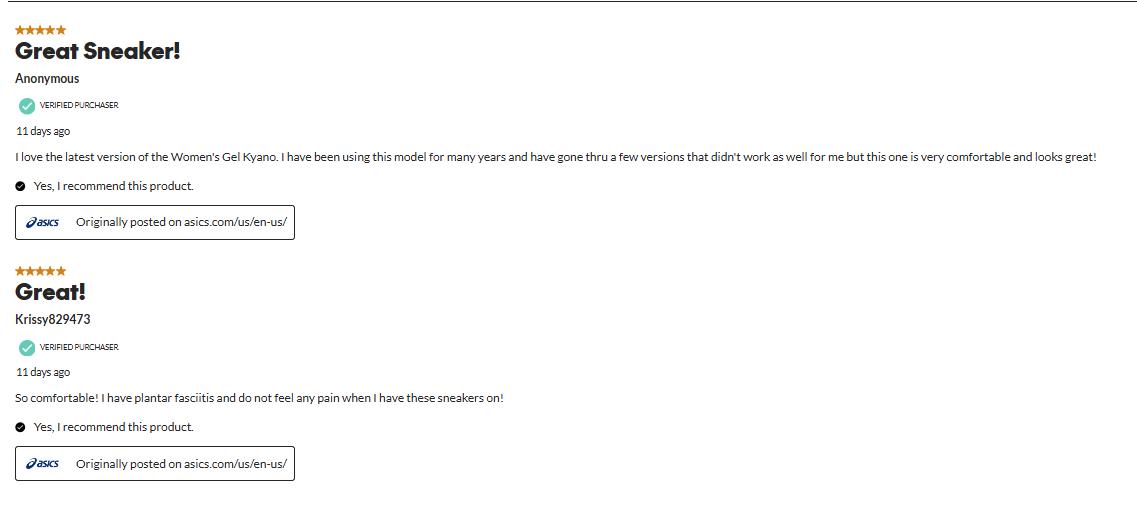
For AI, showing an unreliable store can create a poor experience. Stores that communicate trust clearly are safer to recommend, particularly when shoppers are ready to act.
Step 3: How AI Weighs Pricing, Delivery, and Availability (Credibility + Extractable Structure)
After trust, the next check is simple:
“Will this purchase go as expected?”
Pricing, delivery, and availability answer that.
In the running-shoe example, fast shipping in Canada isn’t optional—it’s part of the decision.
What needs to be clear:
- Pricing without surprises
- Stock status that’s visible
- Delivery timelines that feel realistic
- No gap between what’s shown and what actually happens
A well-reviewed shoe can still be filtered out if shipping timelines are vague or inventory is unclear, or if it is not delivered to a specific location.
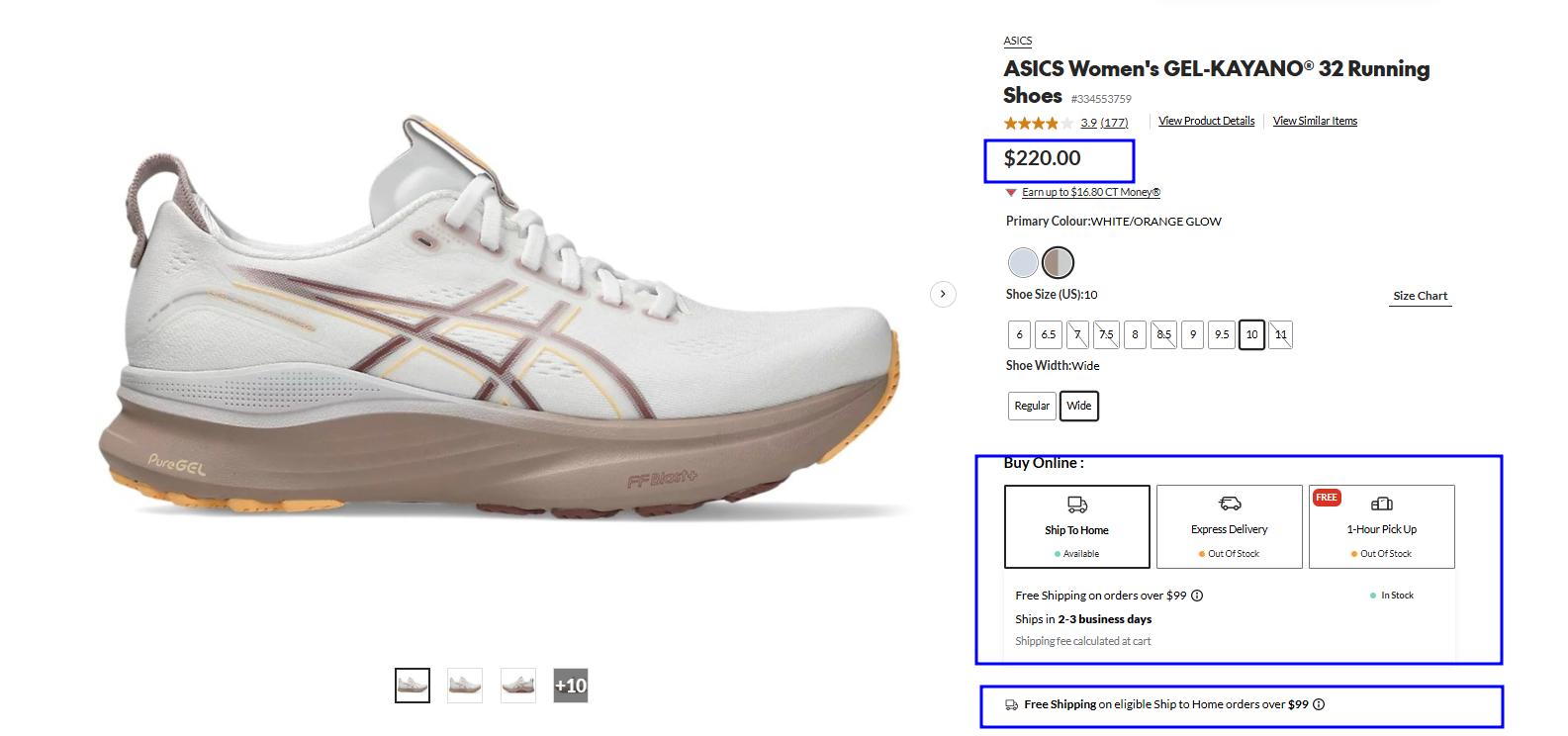
When everything lines up, the decision is easy.
When it doesn’t, hesitation kicks in. Shipping feels uncertain, stock isn’t obvious, or pricing shifts too late. That’s often enough to lose the sale—and the AI recommendation.
Step 4: How AI Uses Content to Guide Buying Decisions (Audience Intent + Extractable Structure)
AI guides buying decisions by matching structured content with real customer questions and intent.
It favors stores that help shoppers choose, not just browse.
By this stage, there may be several running shoe options that meet the core requirements. The final question becomes:
“Which option gives the shopper more confidence?”
Content is what influences that.
AI favors stores that include:
- Buying guides that explain how to choose the right product, such as shoes for long-distance running
- Comparison content that clarifies stability vs neutral shoes
- FAQs addressing users’ questions such as fit, arch type, and mileage
- Category pages that explain use cases
This type of content gives the context needed to compare options more clearly.
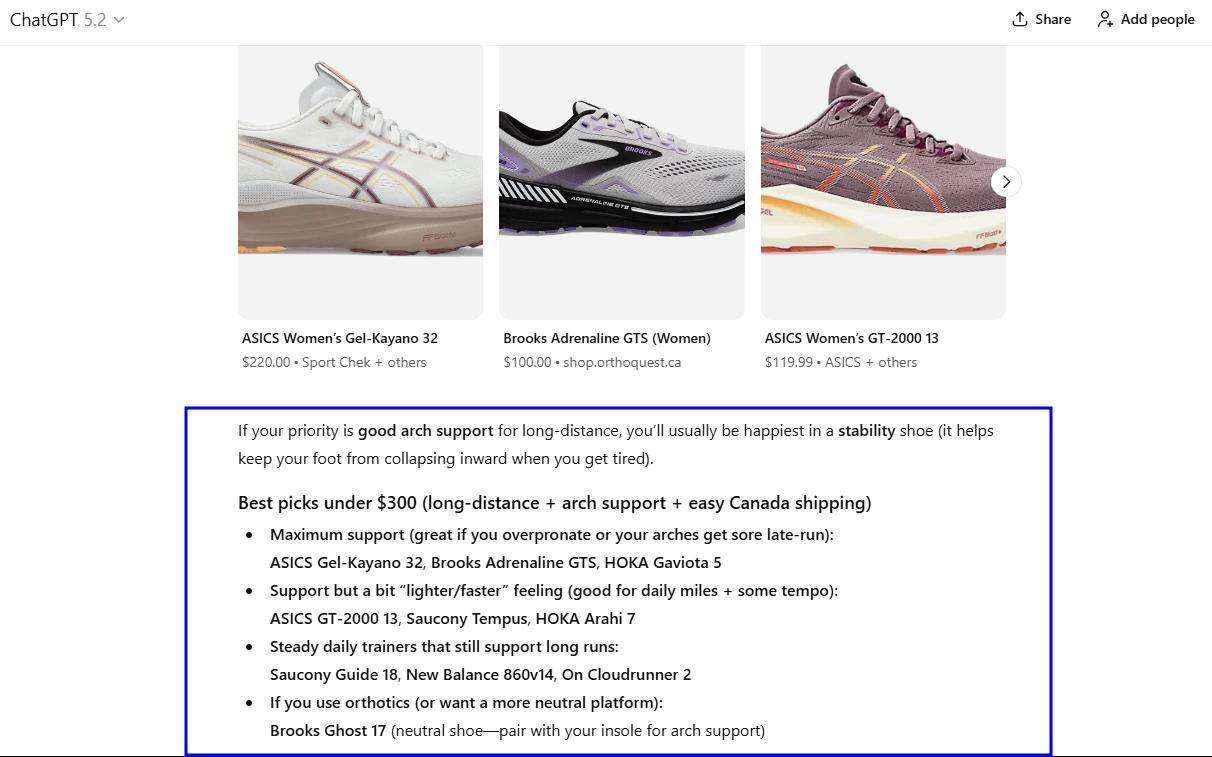
When that context is missing, the decision becomes harder—and hesitation increases.
Stores that reduce that friction are more likely to be selected.
EDP Insight
AI doesn’t just recommend products. It recommends clarity, confidence, and low-risk decisions.
Ecommerce Marketing Strategies That Work in the AI Era in 2026
What Actually Drives Growth When AI Is the Gatekeeper
In the AI era, growth in ecommerce now hinges on the signals that determine which products are shown and which are ignored.
The strategies below work because they strengthen the same signals AI uses to make recommendations.
Personalization That AI Can Recognize
Personalization drives growth when it consistently shows the same product as the best fit for the same buying need.
In the running-shoe example, personalization shows up in a few practical ways:
- Predictive merchandising that brings forward long-distance running shoes with arch support
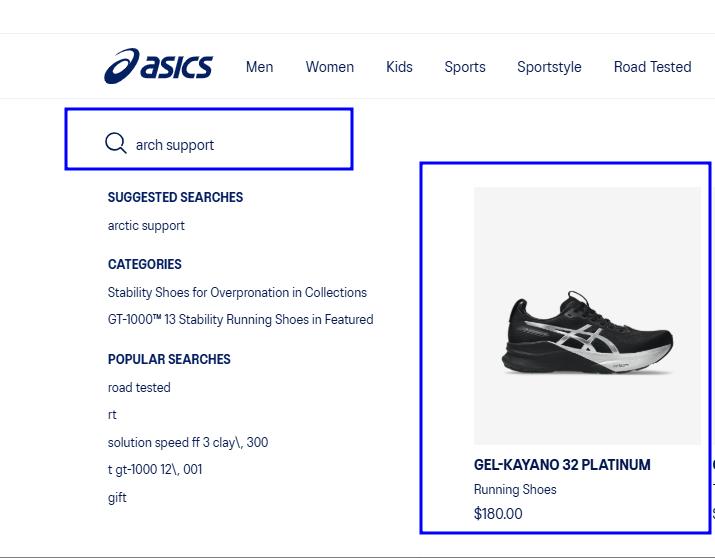
- Bundles that pair shoes with relevant add-ons like insoles, socks, or recovery gear
- Personalized Product pages that highlight key details—arch support, distance suitability, price, and delivery expectations
When this stays consistent, it becomes easier for AI to connect the product to the same use case across different shoppers.
EDP Insight
If shoppers with the same intent see the same product, positioning, and details, AI treats that consistency as confidence—and recommends it more often.
Content That Improves AI Visibility
Content drives AI visibility when it teaches shoppers how to choose, compare, and decide.
AI systems rely on content to explain why one option is better than another. High-impact content in 2026 includes:
- Buying guides that explain how to choose the right product for a specific use case
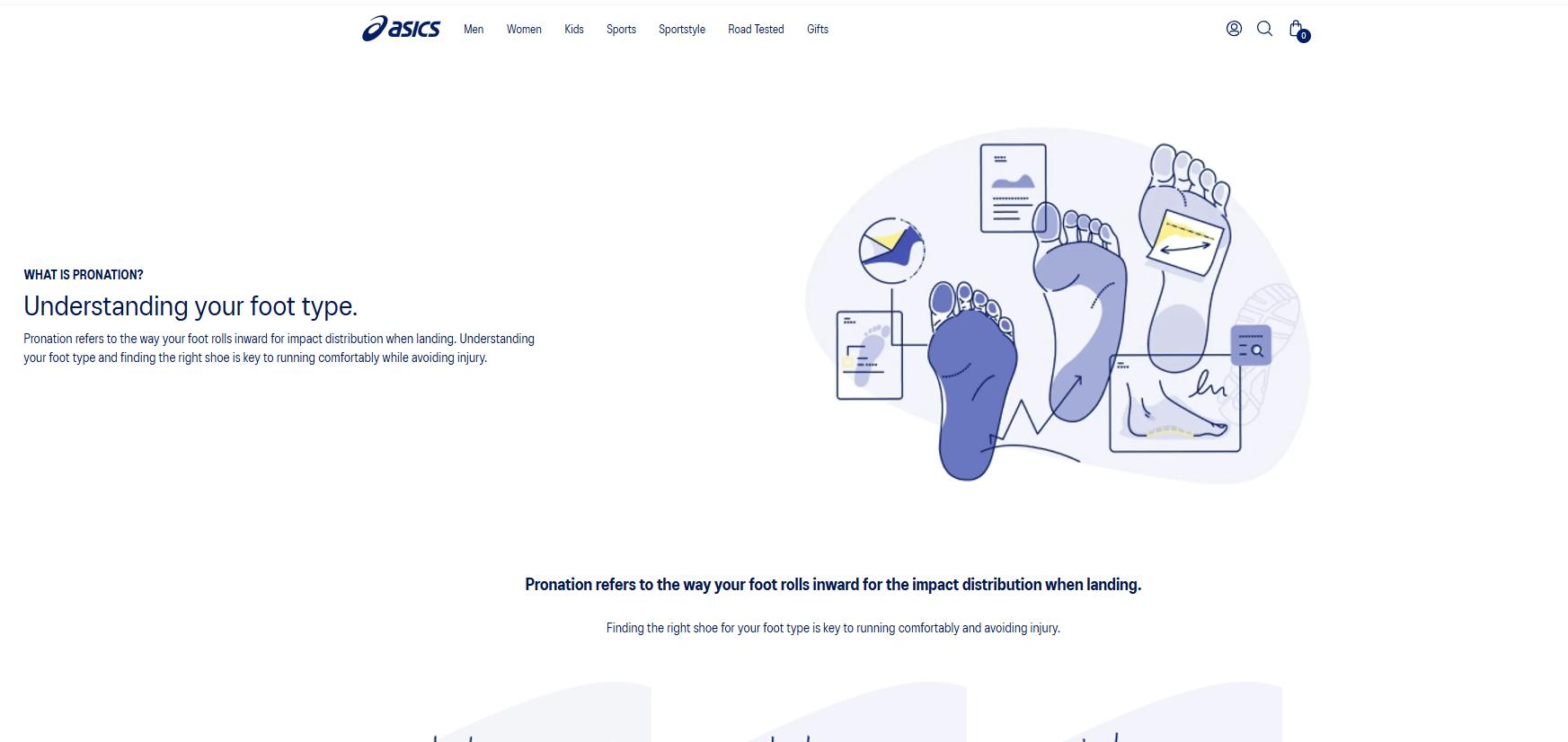
- Comparison pages that differentiate options clearly
- Category hubs that explain when and why products are used
- Content that addresses fit, expectations, and risk
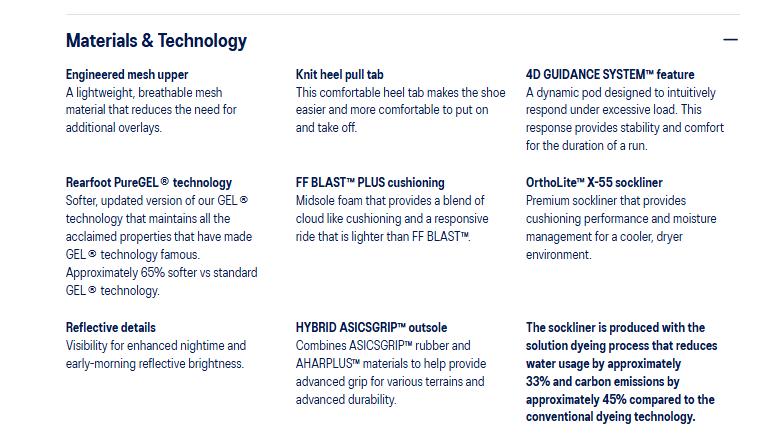
This type of content provides AI the context needed to explain products clearly when answering more detailed questions.
Distribution Signals That Reinforce Authority
Distribution reinforces authority when it reflects real-world usage and credibility beyond your website.
AI doesn’t depend only on off-site signals, but it does use them to validate whether a brand feels trustworthy and established.
The strongest distribution signals in 2026 include:
- Short-form video that shows the product in real use
- Shoppable UGC based on actual customer experiences
- Presence on platforms like Amazon, Walmart, or similar marketplaces
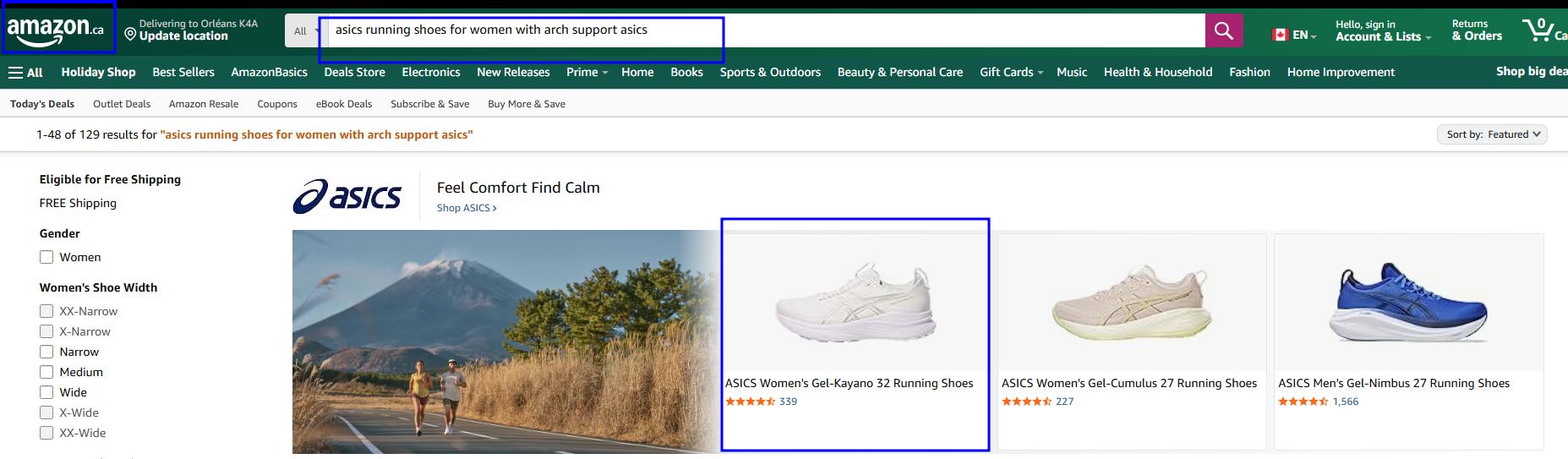
These signals help AI answer a key question:
“Do people actually use and trust this product?”
When what’s happening off-site supports what’s shown on your website, AI’s confidence increases.
When those signals are missing—or don’t align—recommendations become less likely.
Retention and Community Signals AI Values
AI favors brands that demonstrate ongoing satisfaction, not one-time purchases.
Retention signals tell AI that recommending your store is low risk over time.
In practice, this includes:
- Memberships or loyalty programs signalling repeat buying behavior.
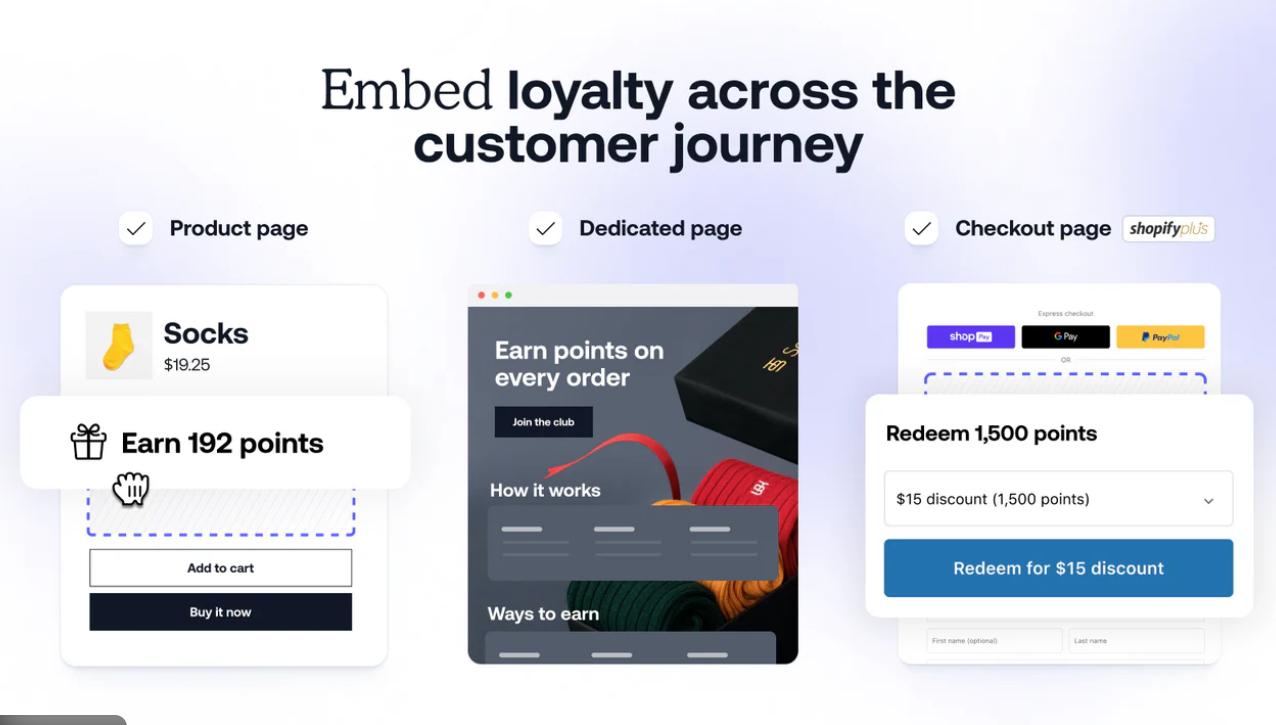
Loyalty and repeat engagement signal long-term trust, which AI systems favor in recommendations.
- Review and UGC programs that create fresh, relevant customer feedback.
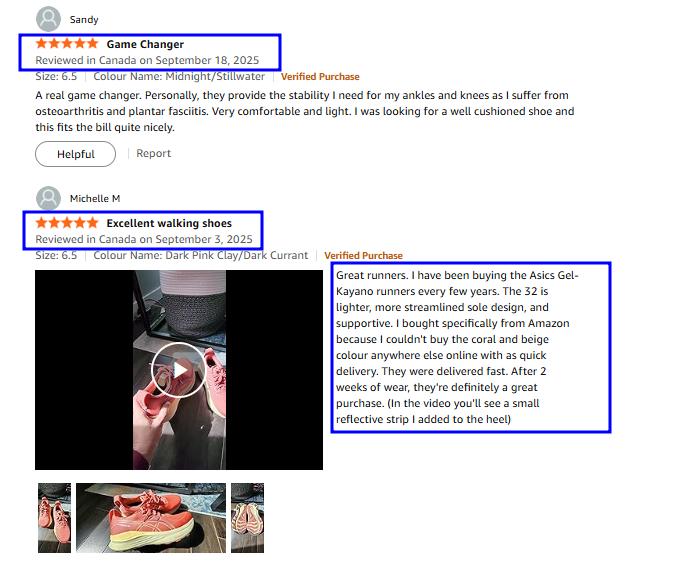
Fresh, use-case-specific reviews signal ongoing customer satisfaction and reduce AI’s recommendation risk.
- Personalized replenishment or follow-up flows that support long-term use
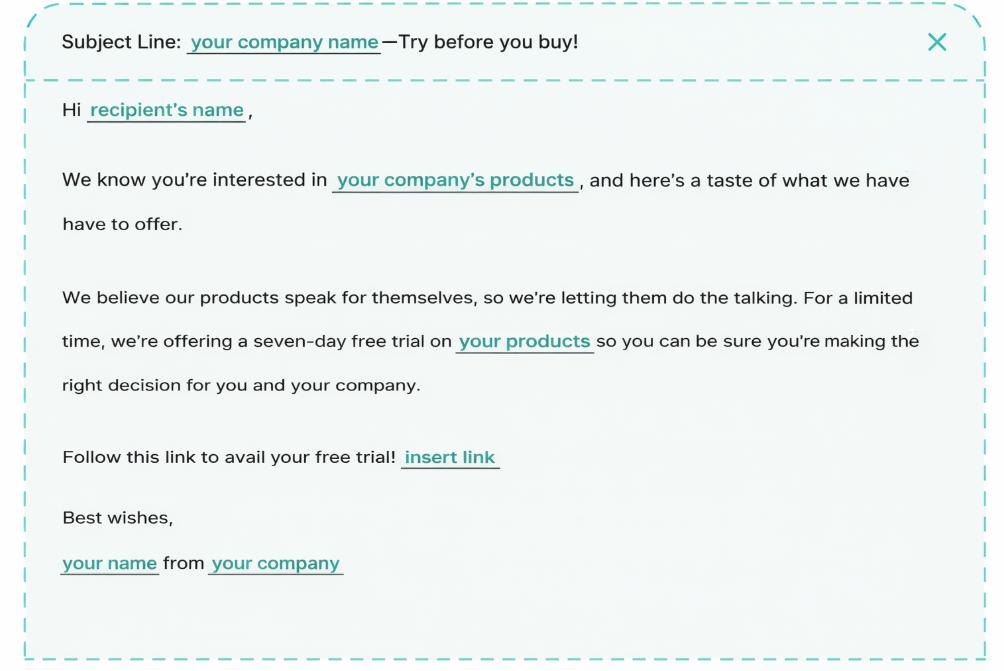
Personalized engagement after purchase highlights long-term satisfaction, signalling reliability to AI.
AI systems notice patterns. Brands with consistent repeat engagement, updated reviews, and active communities appear more reliable—and are more likely to be recommended again in future queries.
How to Optimize for Each Major AI Discovery Platform
AI systems like Google AI Overviews, ChatGPT, and Perplexity all work differently—but they require the same thing: a clearly structured, trustworthy eCommerce store.
When your store structure and content are easy to understand, AI can accurately extract, compare, and recommend your products for real shopping queries.
This section shows how to optimize store structure and content for each major AI discovery platform—starting with the one shaping eCommerce visibility today.
How to Optimize Your Store for Google AI Overviews (AIO)
Google AI Overviews tends to pull from stores that make things easy to understand—clear answers, consistent signals, and content that doesn’t need much interpretation.
The goal here isn’t just ranking higher. It’s getting included in the answer itself.
To move in that direction, a few things make a difference:
1. Use Intent-Rich Headings That Match Real Queries
Pages that perform well usually mirror how people actually search.
In practice, that often means:
- Headings that include a clear use case along with some constraints
- Sections that are easy to scan and line up with what the buyer is trying to figure out
- Phrasing that sounds like a real question, not something written just for keywords
For example: “Best Women’s Running Shoes for Long-Distance Runs Under $300”
Headings like this make it easier to connect the page to more specific, detailed searches—especially the ones that don’t fit into simple keywords.
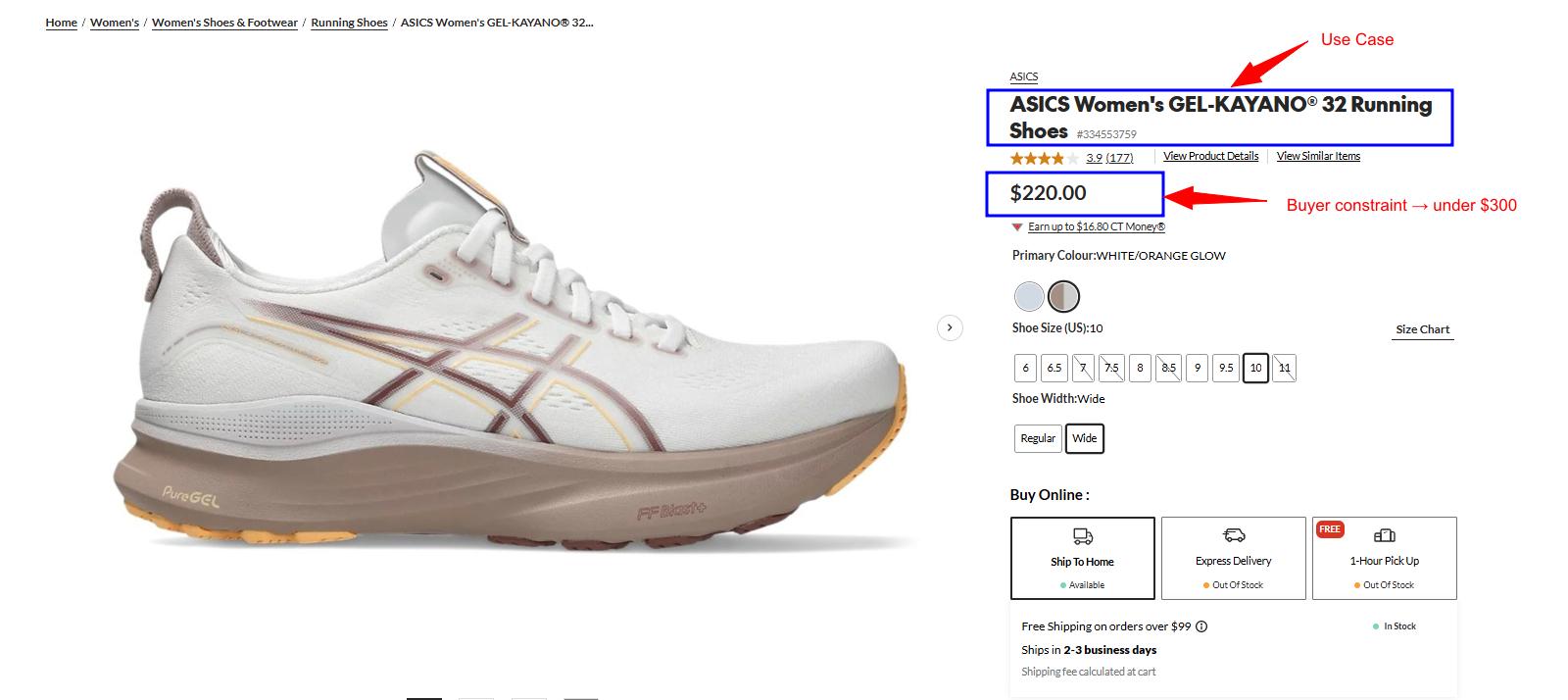
Example of including Use case and buyer constraint
2. Provide Extractable Shopping Guidance
AIO doesn’t just link to pages—it summarizes decisions.
Pages perform better when they include:
- Short “how to choose” sections
- Clear buying criteria (distance, support, price, delivery)
- Plain, structured language AI can reuse
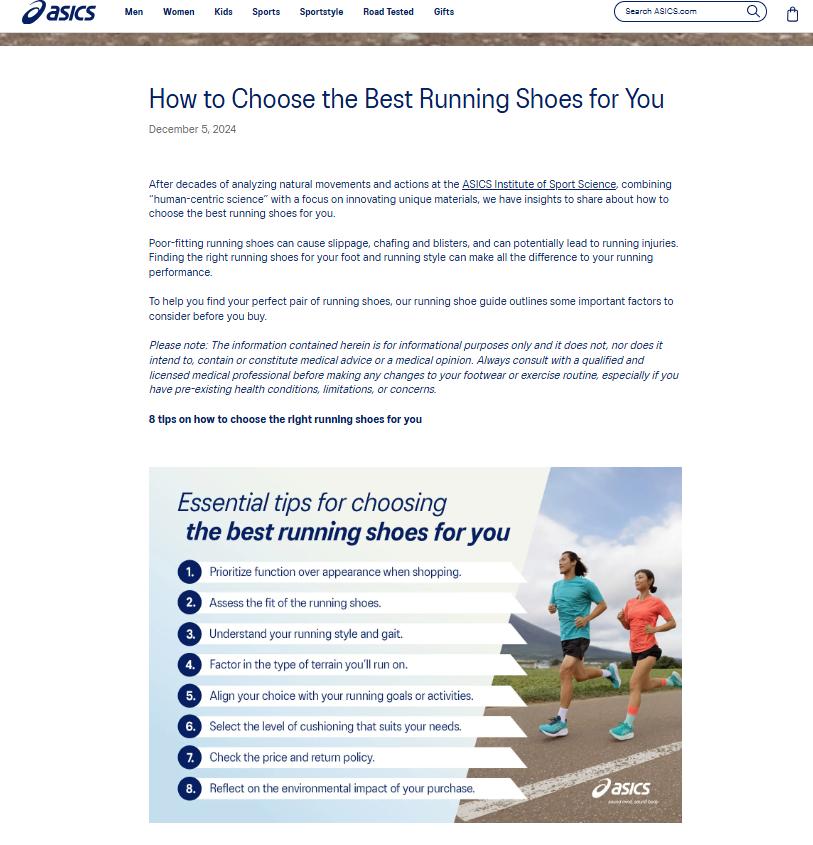
AIO favors pages that explain how to choose, not just what to buy.
Stores that explain how to decide outperform those that only list products.
3. Use Comparison Tables to Reduce Decision Friction
Before narrowing things down, options are usually compared side by side by Google AI.
That’s where tables come in.
They help by:
- Making it easier to scan multiple products at once
- Showing differences without needing long explanations
- Keeping the focus on what actually matters for the decision
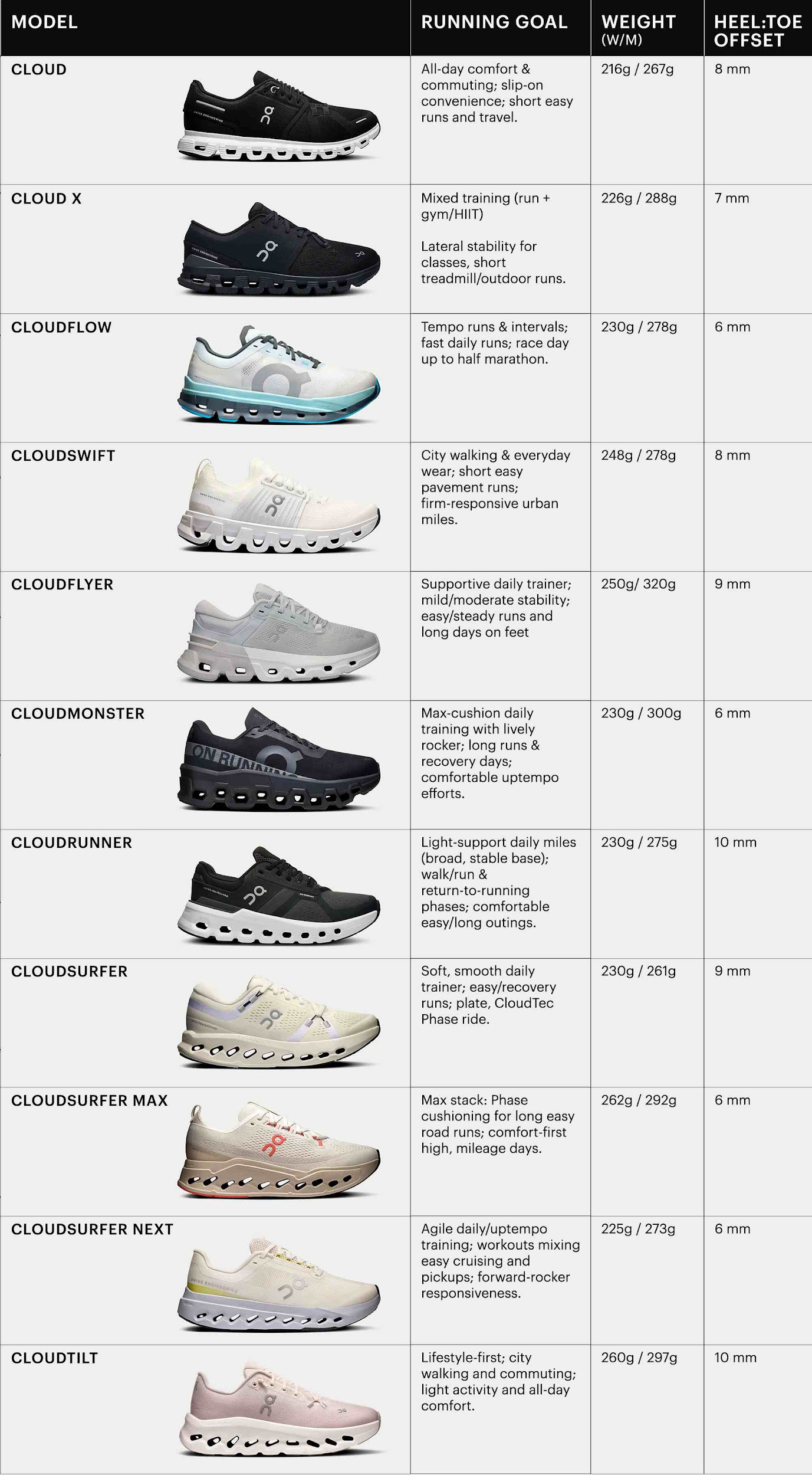
Comparison tables make it easier for Google’s AI to evaluate and summarize product differences.
When done right, a table can do the work of a full paragraph in a much shorter space.
To keep them useful:
- Keep them short
- Stick to a clear structure
- Focus only on decision-driving factors
Overloading a table with too much detail tends to have the opposite effect. The simpler it is, the easier it is to understand—and use.
4. Make Price, Delivery, and Availability Easy to Confirm
AIO prioritizes clarity and certainty.
Pages are more likely to be surfaced when:
- Pricing is visible and consistent
- Delivery timelines are clearly stated (e.g., “2–4 days in Canada”)
- Availability is accurate and up to date
- Images are descriptive and properly labelled
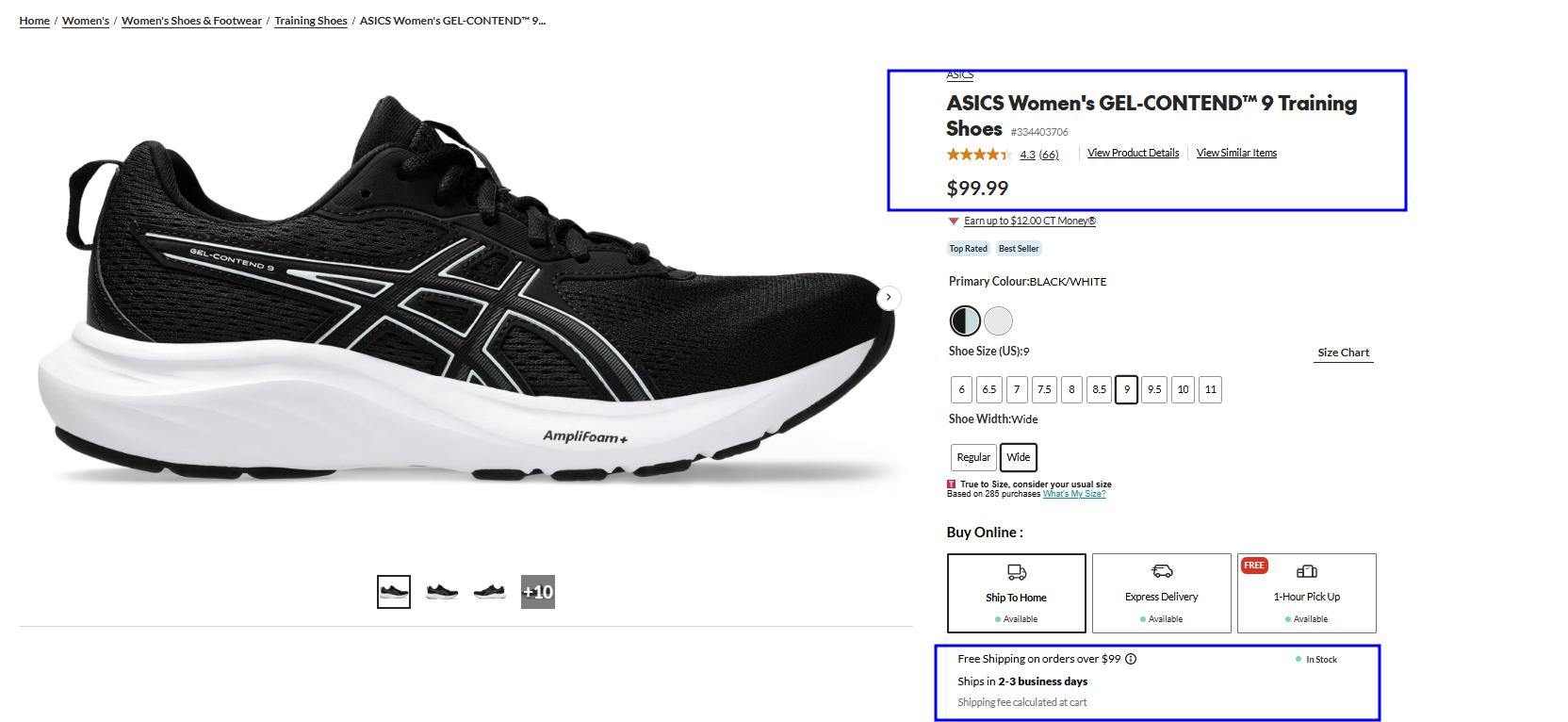
If Google AI has to guess—or dig—your page loses priority.
5. Strengthen Trust Signals (E.E.A.T.)
Before recommending a product, AI systems evaluate risk.
Strong trust signals include:
- Recent, relevant reviews
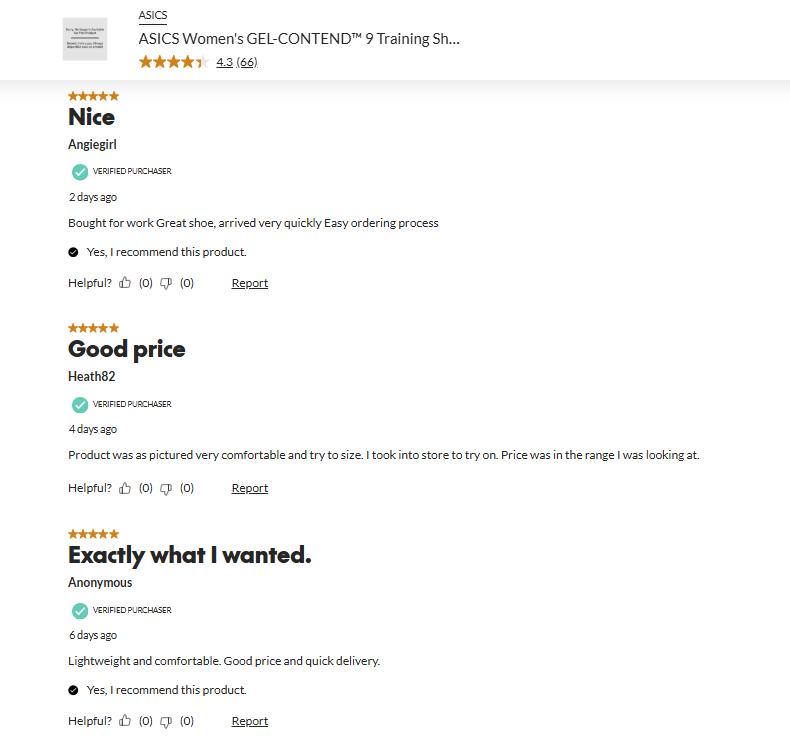
- Clear return and refund policies

- Consistent messaging across pages
- Visible business credibility (About, contact, policies)
The clearer and safer your store appears, the more likely AI is to recommend it.
6. Structure Content for Easy Extraction
AI favors content it can scan, break down, and reuse.
Optimize with:
- Clear headings and subheadings
- Bullet points and short paragraphs
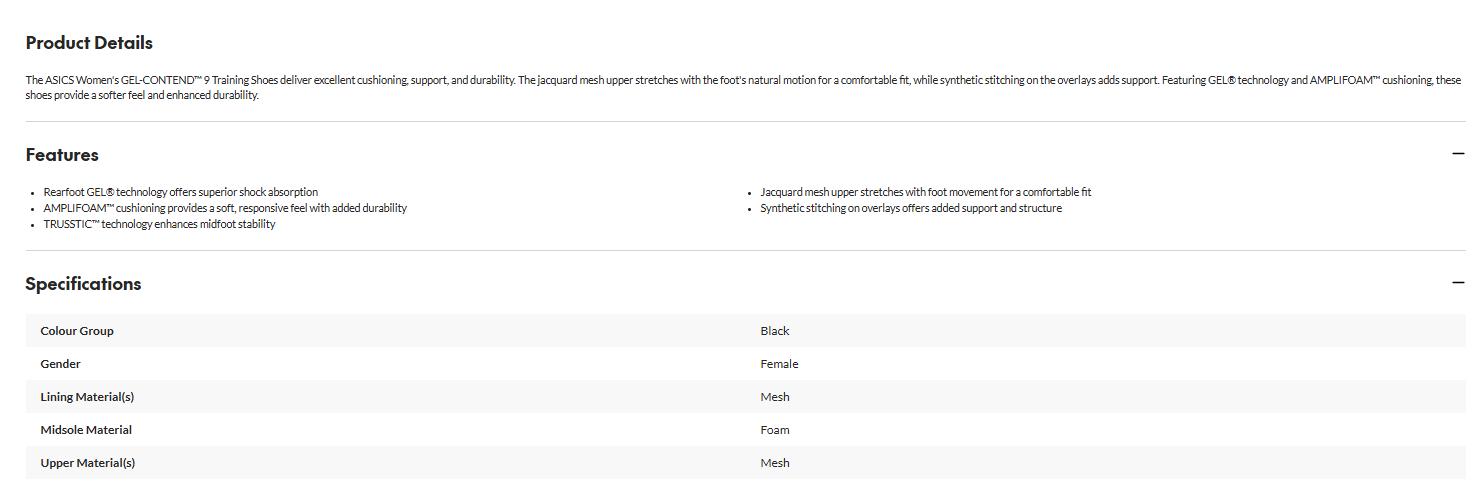
- FAQs answering real customer questions
- Internal links between related content
Structured content reduces interpretation effort—and increases visibility.
How to Improve Discoverability in ChatGPT & Perplexity
ChatGPT and Perplexity prioritize ecommerce brands that publish clear, structured, factual content—information that’s easy to define, explain, and reference.
Unlike Google AI Overviews, these platforms don’t rely heavily on rankings or page layout. They pull from sources they see as reliable and consistent, then combine that information into direct answers.
AI systems like ChatGPT and Perplexity don’t discover content by page count—they rely on well-structured, easy-to-understand information they can apply when answering questions.
Publish Consistent, Factual Content
Consistency builds trust—and trust is what gets used.
AI systems like ChatGPT and Perplexity compare information across pages before deciding what to include. If your content conflicts, it gets ignored.
Keep it tight:
- Use the same product names and descriptions everywhere
- Keep details consistent for use cases, pricing, and delivery
- Make sure blogs, collections, and PDPs don’t contradict each other
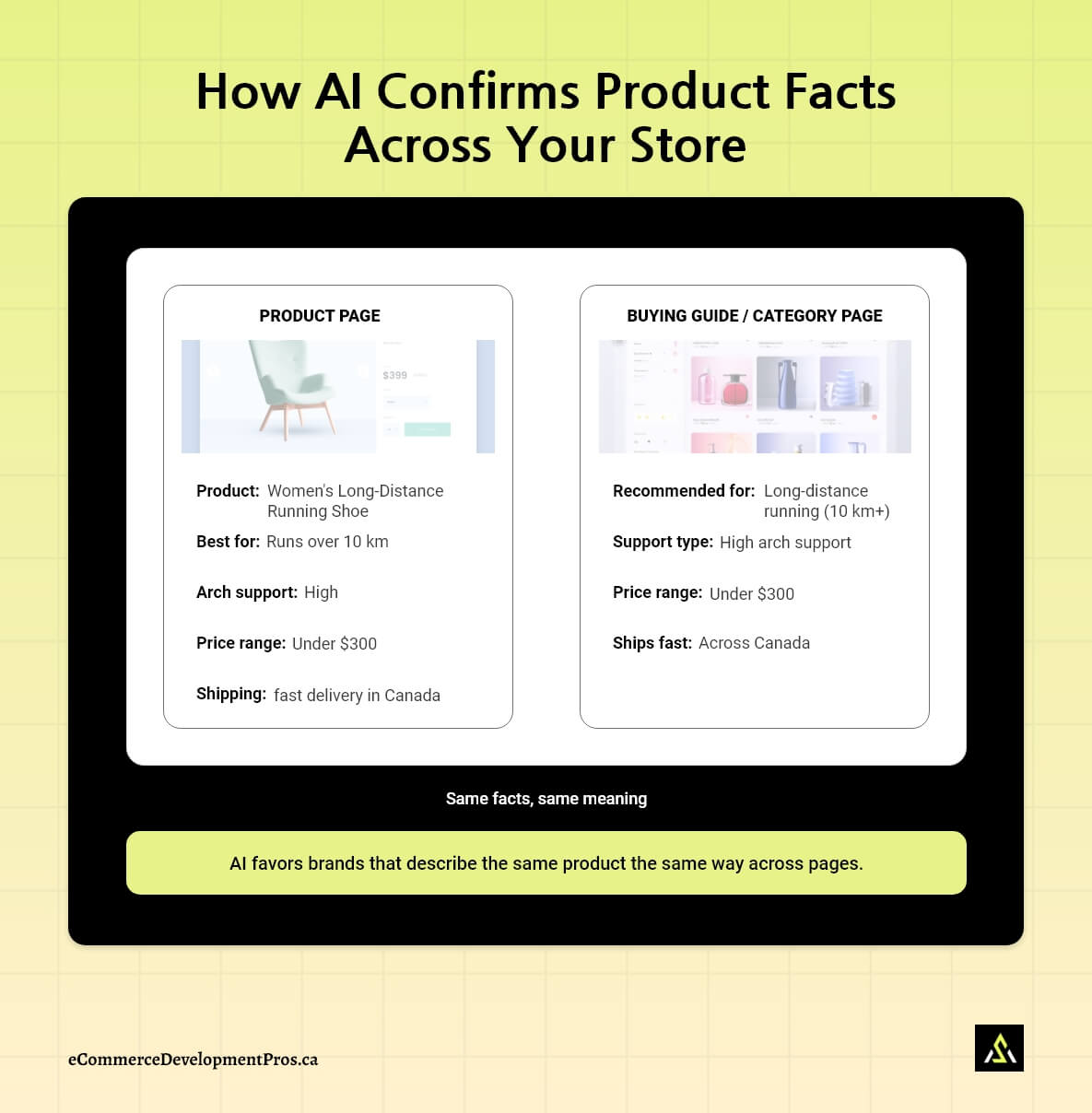
Even small mismatches can break confidence.
AI doesn’t reward creativity in wording—it rewards clarity it can rely on.
Use Structured Definitions
LLMs like ChatGPT and Perplexity rely heavily on definition-style content.
Pages perform better when they include:
- Clear explanations of who a product is for
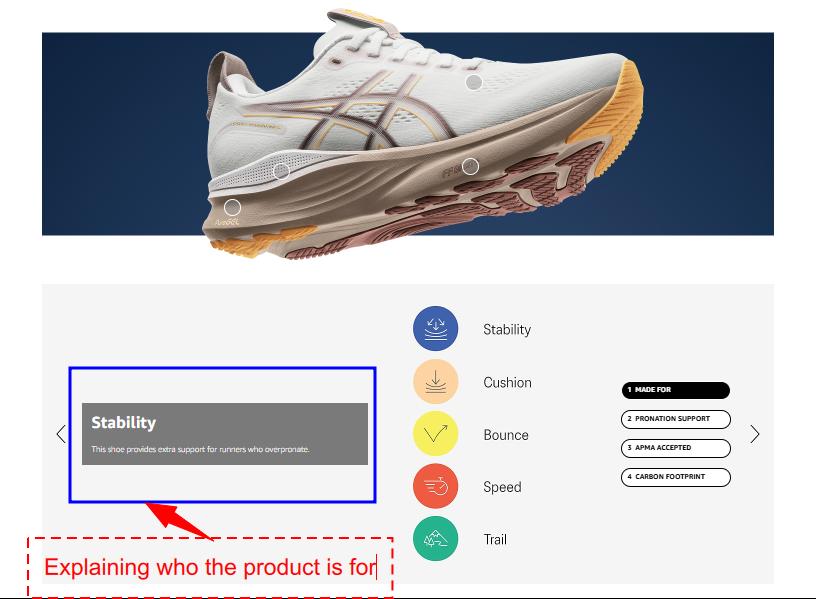
- Simple definitions of features or use cases
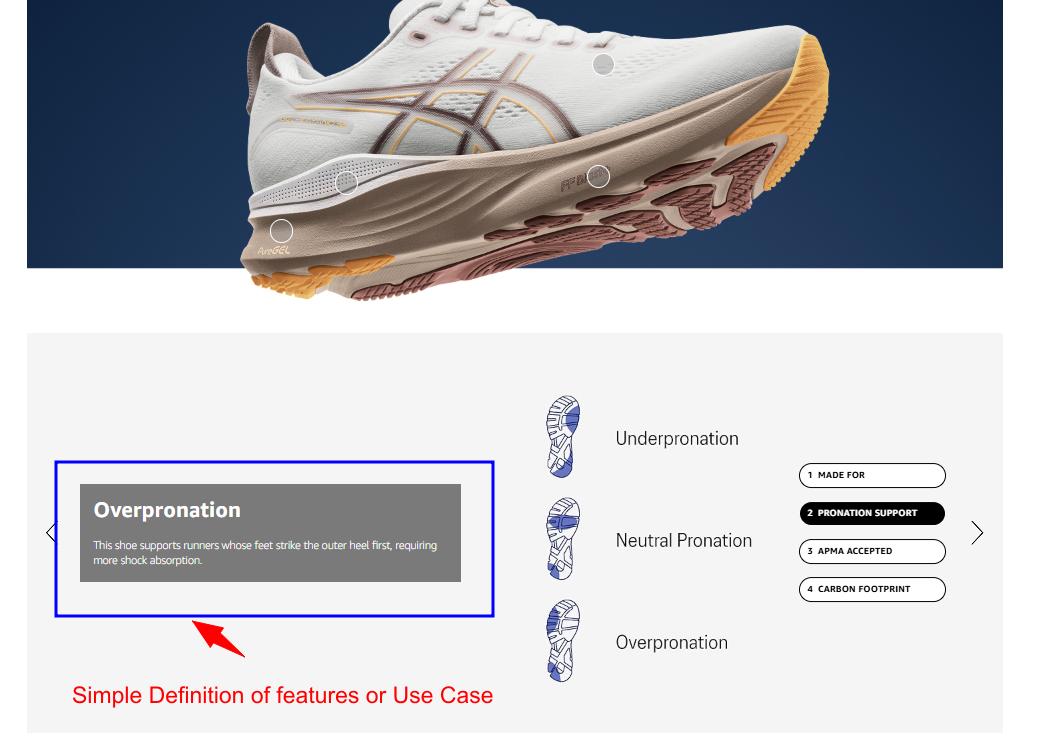
- Plain-language descriptions that can be quoted
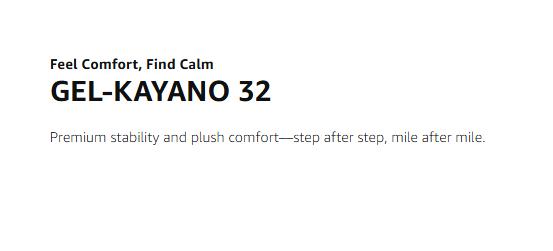
For example, clearly defining what “long-distance running shoes” means—distance, support, and comfort—makes the content easier to reference.
Structure Content as Steps, Tables, and Frameworks
ChatGPT and Perplexity prefer content that is already organized.
This includes:
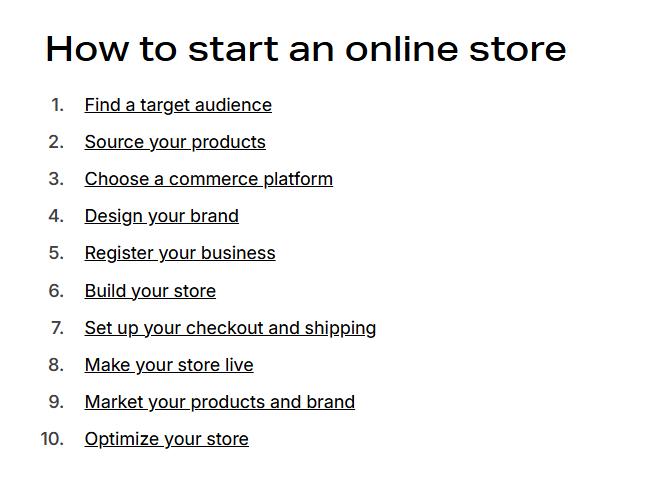
- Step-by-step explanations
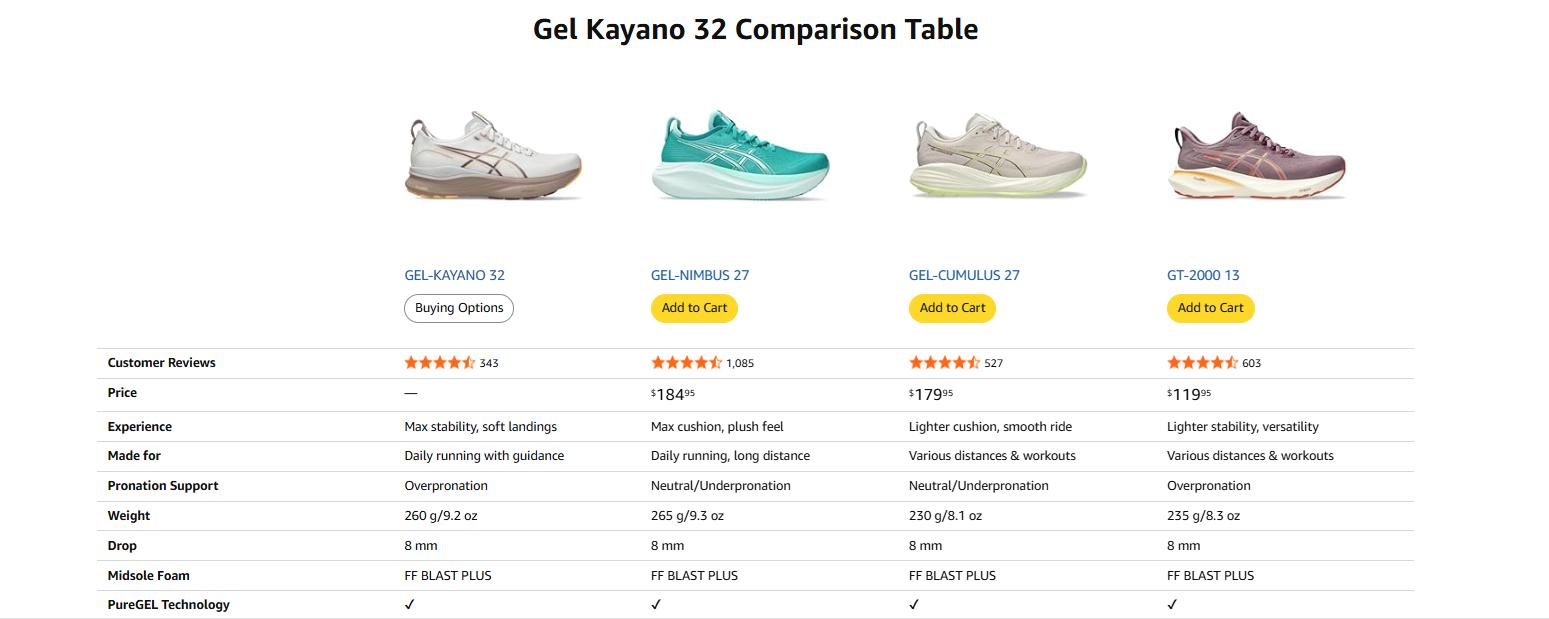
- Simple comparison table
- Named frameworks or repeatable structures
These formats reduce interpretation effort and increase citation likelihood.
Reinforce Brand Authority Cues
LLMs such as ChatGPT and Perplexity are careful when recommending brands.
They look for authority signals such as:
- Clear “About” information
- Evidence of expertise (guides, explanations, comparisons)
- Consistent brand voice across content
EDP Insight
Brands that organize their content like a clear knowledge source are much more likely to be cited, summarized, and recommended by LLMs such as ChatGPT and Perplexity.
How to Optimize Product Pages for AI Shopping Agents
As agentic ecommerce continues to grow, AI-powered shopping agents are changing how products are discovered, evaluated, and recommended online. Instead of users manually comparing options, these agents analyze product pages, filter results, and prioritize products that meet specific trust, relevance, and usability criteria.
For Shopify and eCommerce brands, product pages are no longer built just for human shoppers. They also need to work for AI-driven shopping agents and search systems.
These systems favor products that appear reliable, low-risk, and easy to confirm. They check for clear shipping information, strong customer reviews, accurate stock, well-structured data, and consistent page details.
If those pieces aren’t in place, the product might not even make it into consideration—regardless of its price or quality.
Below are the four signals AI shopping agents rely on most when deciding which products to recommend.
1. Delivery Speed Signals
AI shopping agents favor products with clear, consistent, and verifiable delivery timelines.
For AI, clear delivery speed signals whether a product can be trusted.
When a shopper asks for fast delivery—especially with location-specific needs—AI looks for clear, upfront shipping details.
What helps:
- Delivery timelines clearly stated on the product page
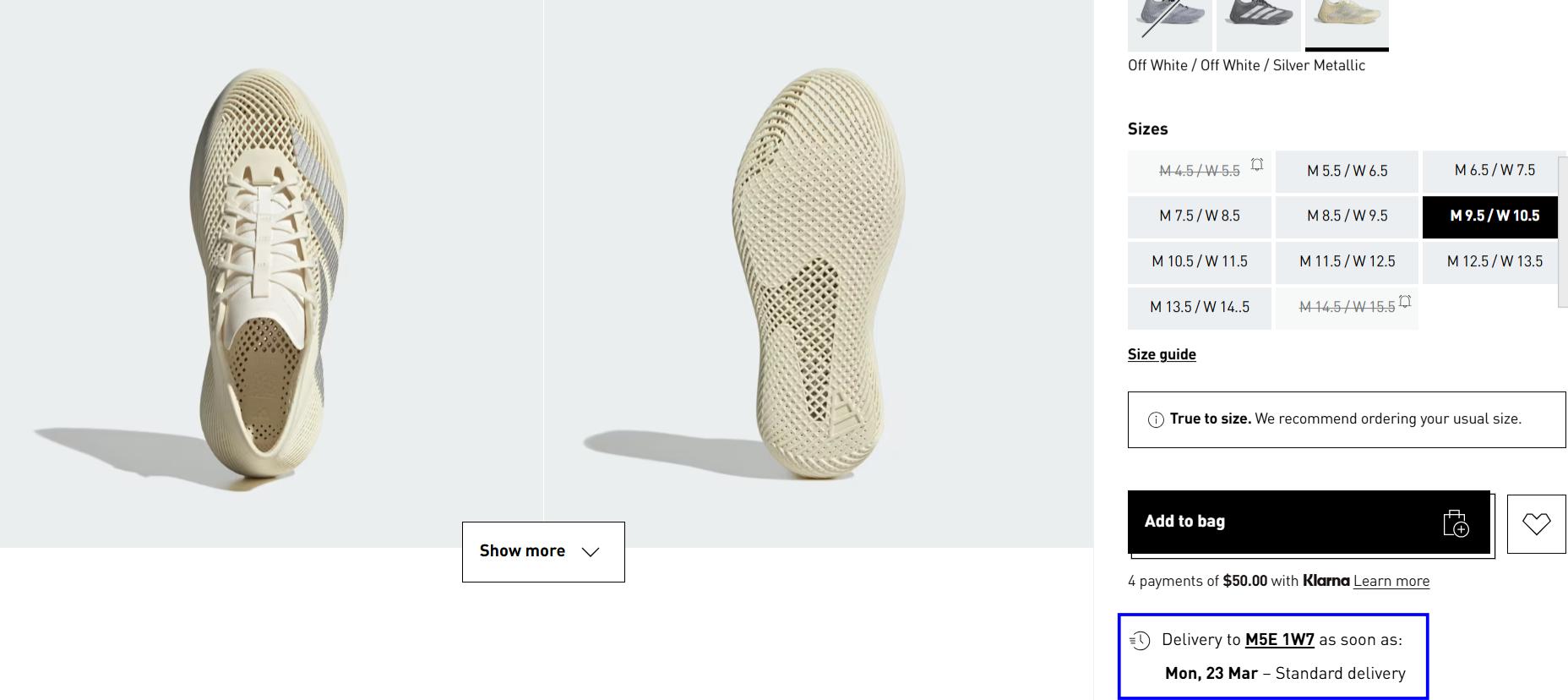
- Shipping information visible before checkout
- Consistency between PDPs, cart, and shipping policies
- Specific language (e.g., “2–4 business days in Canada”)
When delivery information is vague or hard to find, confidence drops—and so does the chance of being recommended.
EDP Insight
For AI shopping agents, delivery speed matters less than delivery certainty.
Review Density Signals
AI shopping agents trust products that show steady, use-case-relevant customer feedback over time.
AI doesn’t just count reviews. It evaluates patterns.
Strong review density signals include:
- Steady review activity over time
- Specific feedback based on real use (comfort, durability, long-distance performance)
- Reviews that match what the product promises
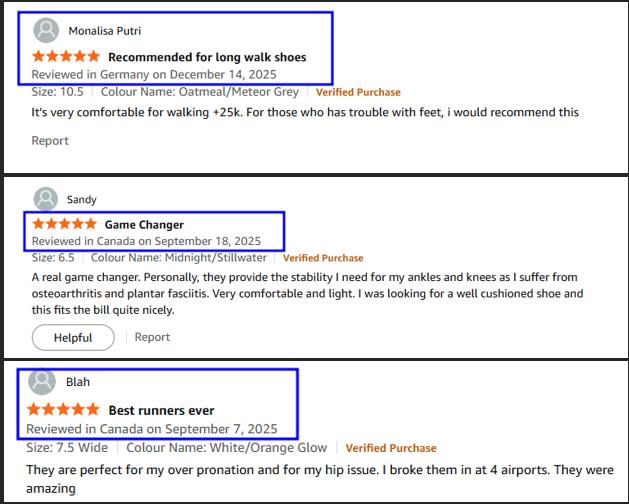
Generic or clustered reviews tend to get discounted. AI treats this as proof that the product delivers on its promise.
EDP Insight
AI values confirmation over volume—especially for high-intent purchases.
Inventory Accuracy Signals
AI shopping agents favor products that show accurate, current availability.
They check for:
- Clearly marked product availability on the page (In stock, Low stock, Out of stock)
- Consistent availability from the product page to checkout
- No frequent switches between in-stock and out-of-stock
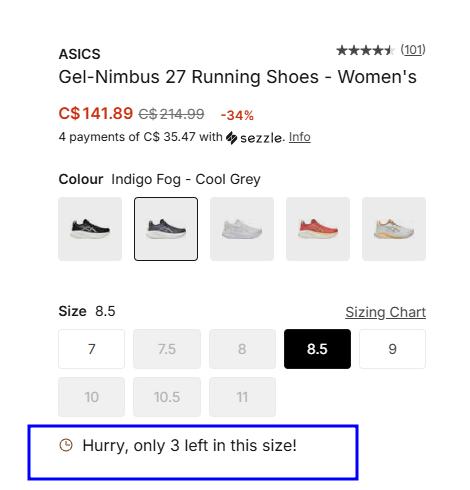
Accurate Stock status on Product Page
When availability is unclear, the product starts to look risky.
And if AI isn’t confident in the information, it won’t bring the product forward.
- ❌ No stock status → uncertainty → lower recommendation chance
- ✅ Clear stock status (In stock / Low stock) → certainty → higher confidence
That small detail has a direct impact.
When availability is visible and accurate, the product is treated as reliable. When it’s missing or unclear, confidence drops—and so does visibility.
Product Data Depth Signals
AI shopping agents favor products that are easy to understand without interpretation.
Strong product data depth includes:
- Clear use case (“best for long-distance running”)
- Key attributes stated plainly (support type, fit, materials)
- Price and variants are easy to compare
- Structured, scannable layout
When product information is complete and consistent, AI can summarize it confidently. When it’s thin or scattered, AI just moves on.
EDP Insight
AI recommends products that it can explain clearly in one response.
A 30-Day Plan to Make Your eCommerce Store AI-Discoverable
You can make an eCommerce store AI-discoverable in 30 days by fixing product data, clarifying trust signals, strengthening content structure, and aligning pages with how AI evaluates buying decisions.
The goal isn’t to do everything—it’s to remove what causes AI to exclude your store.
Week 1 — Fix Product Data & Delivery Signals
Goal: Make your products easy for AI to understand—and safe to recommend.
In the first week, you’re not trying to “optimize everything.” You’re removing the most common reasons AI systems exclude products early.
1. Clarify What the Product Is (and Who It’s For)
AI needs to understand your product without guessing.
Focus on:
- Titles that say what it does
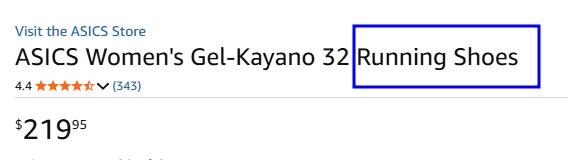
- One line on who it’s for
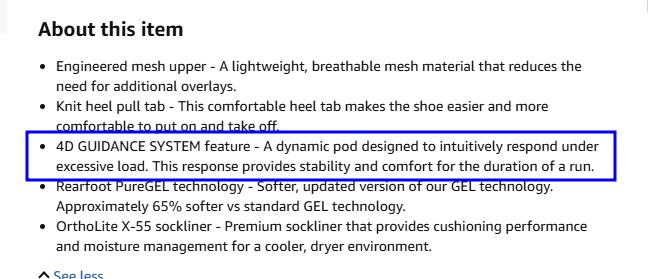
- Consistent naming everywhere
Outcome: AI can confidently identify what the product is and when it’s relevant.
2. Complete Core Attributes and Variants
Thin or missing attributes create uncertainty—for both shoppers and AI.
In Week 1, focus on:
- Complete and accurate variant data
- Key attributes that define use and performance
- Consistency across product pages, variants, and collections
This can include size, material, specs, or performance features—depending on the product.
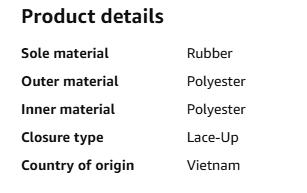
Don’t over-describe. Focus on being specific, structured, and consistent.
Outcome: AI can compare your product accurately instead of skipping it.
3. Make Delivery Speed Impossible to Miss
Delivery clarity is one of the fastest trust wins.
Ensure:
- Shipping timelines are visible on the product page
- Delivery language is specific (not “ships soon”)
- PDP, cart, and policy pages say the same thing
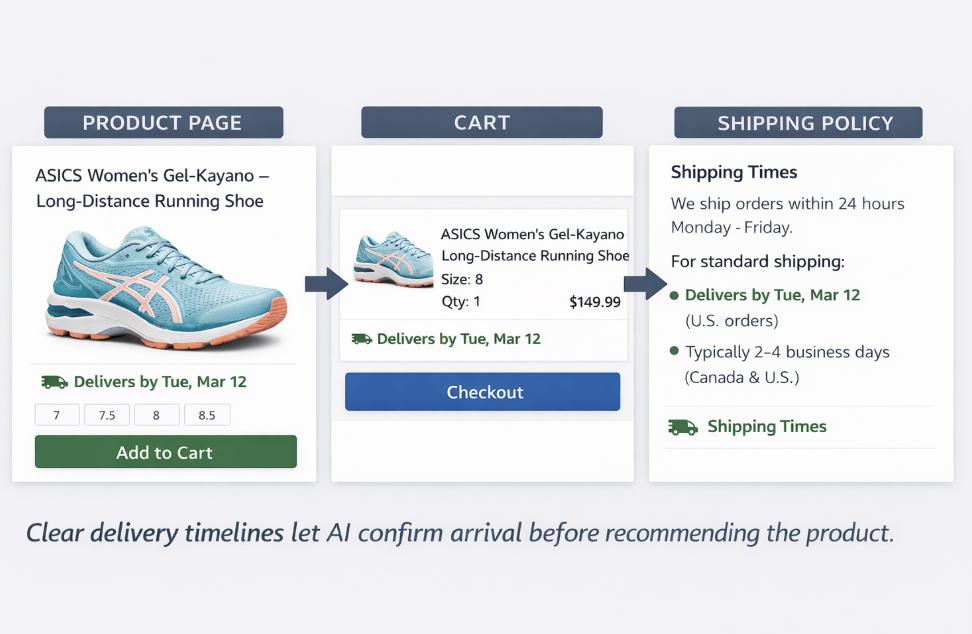
Make sure that AI can confirm delivery easily.
Outcome: AI can clearly verify delivery timelines without friction.
4. Align Price and Availability Signals
Make sure every product page and channel shows the same price and stock info, as mixed signals break AI confidence.
Check for:
- Price consistency across all pages, such as the product page, cart page, and checkout page
- Accurate stock status
- No surprise changes at checkout
Reliable availability is required for AI to recommend a product.
Outcome: Your product feels low-risk to surface.
EDP Insight
Week 1 focuses on clarity and validation.
Clear, verifiable products create the foundation for everything else.
Week 2 — Strengthen Trust & Review Signals
Goal: Show AI that real customers trust your store and are happy after buying.
This week is about building trust.
Focus on the following aspects:
1. Make Reviews Easy to Find
AI trusts products that show real customer feedback and are easily accessible.
How to do it:
- Display star ratings near the product title
- Show full reviews on the product page
- Place reviews below key product details
- Avoid hiding reviews behind tabs or extra clicks
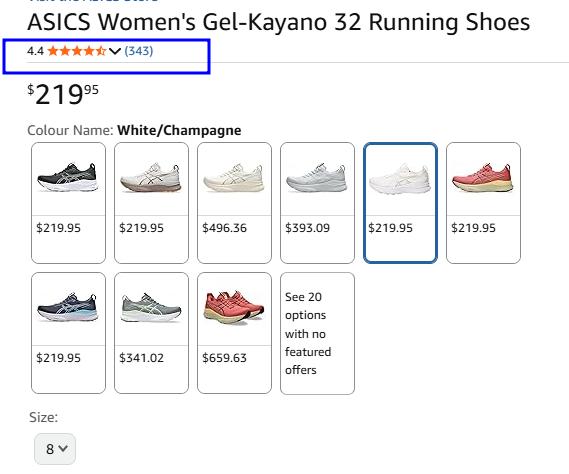
Result: AI can quickly verify trust signals—improving discoverability and credibility.
2. Focus on Use-Case Reviews (Not Generic Praise)
AI rewards reviews that describe real experiences, not vague compliments.
What to feature:
- How the product was actually used
- Comfort, fit, or performance details
- Measurable or long-term results
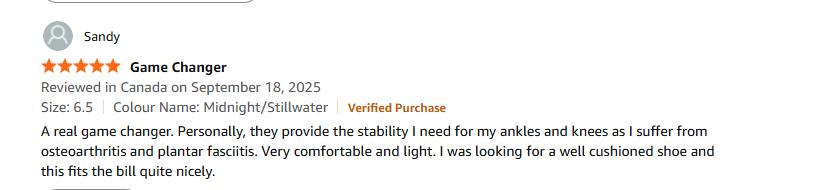
What to avoid:
- Generic comments like “Great product!” or “Loved it”
Impact: Review–intent alignment improves AI’s trust and recommendation chances.
3. Keep Reviews Fresh
AI looks for recent validation—not just past success.
Do this:
- Keep reviews coming in regularly
- Display review dates clearly
- Avoid long gaps in activity
- Maintain consistency over time
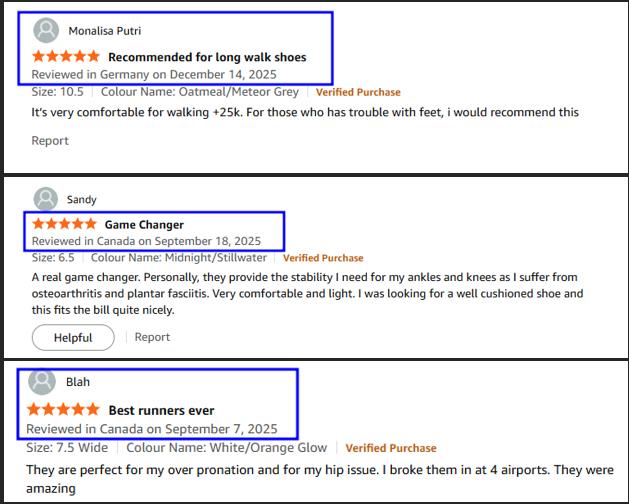
Result: Continuous feedback improves credibility and recommendation potential.
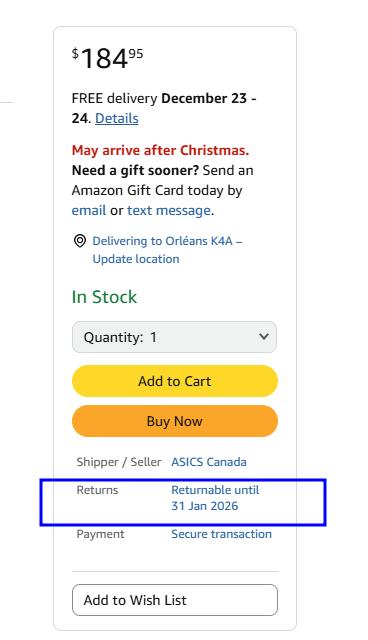
4. Make Returns and Policies Clear
AI checks policy clarity before recommending to reduce risk.
Do this:
- Keep return policies visible and accessible
- Write in plain language
- Align policies with checkout experience
- Remove any inconsistencies
Result: Stronger trust signals → higher chance of being recommended.
5. Keep Your Brand Message Consistent
AI favors brands that communicate clearly and consistently.
Do this:
- Ensure product claims match reviews
- Align blog content with product pages
- Explain all major promises clearly
- Maintain a consistent tone and message across all channels
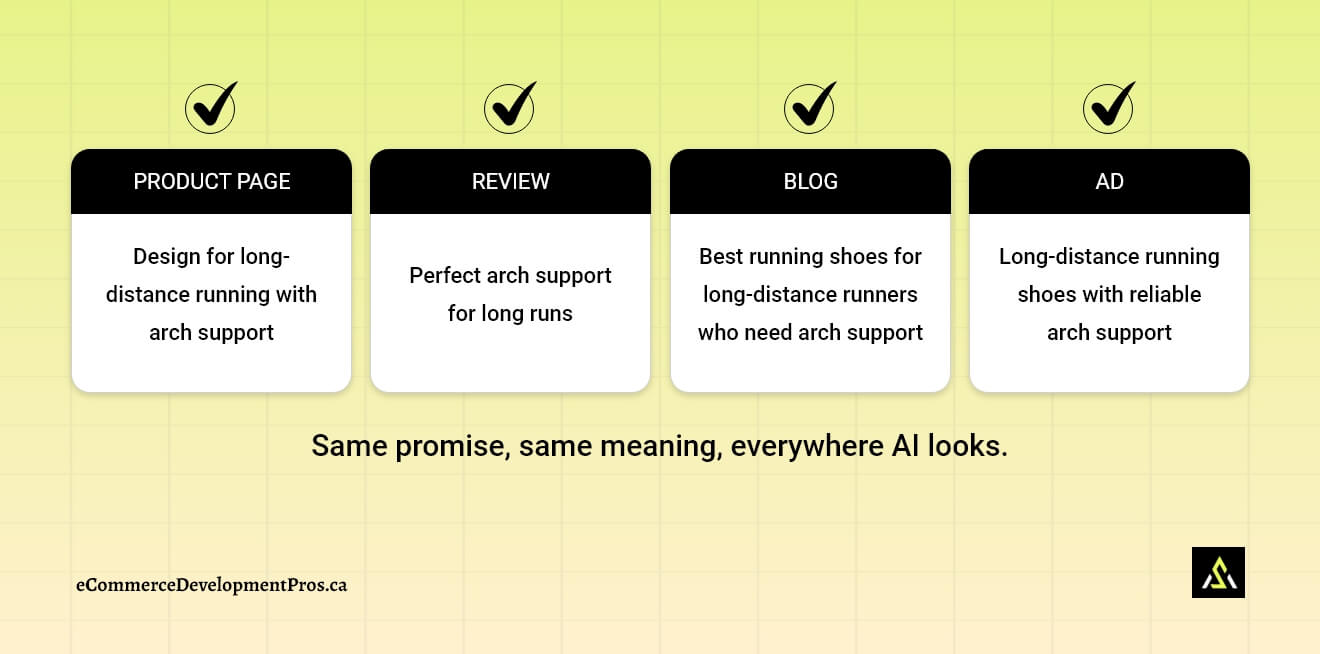
Result: AI can trust your store’s information—improving recommendation likelihood.
AI trusts consistency.
Aligned reviews, clear policies, and consistent messaging lead to stronger recommendations.
Week 3 — Build AI-Readable Content Around Buying Decisions
Goal: Help AI explain why your product is the right choice.
By now, AI understands your product and trusts your store. Now it needs context to answer shopper questions.
This week is about giving AI content it can summarize and reuse.
1. Add Simple Buying Guides
AI favors stores that teach buyers how to choose.
Create short guides that explain:
- Who the product is for
- When it’s a good fit
- What to look for before buying
Keep the language simple and answer real questions.
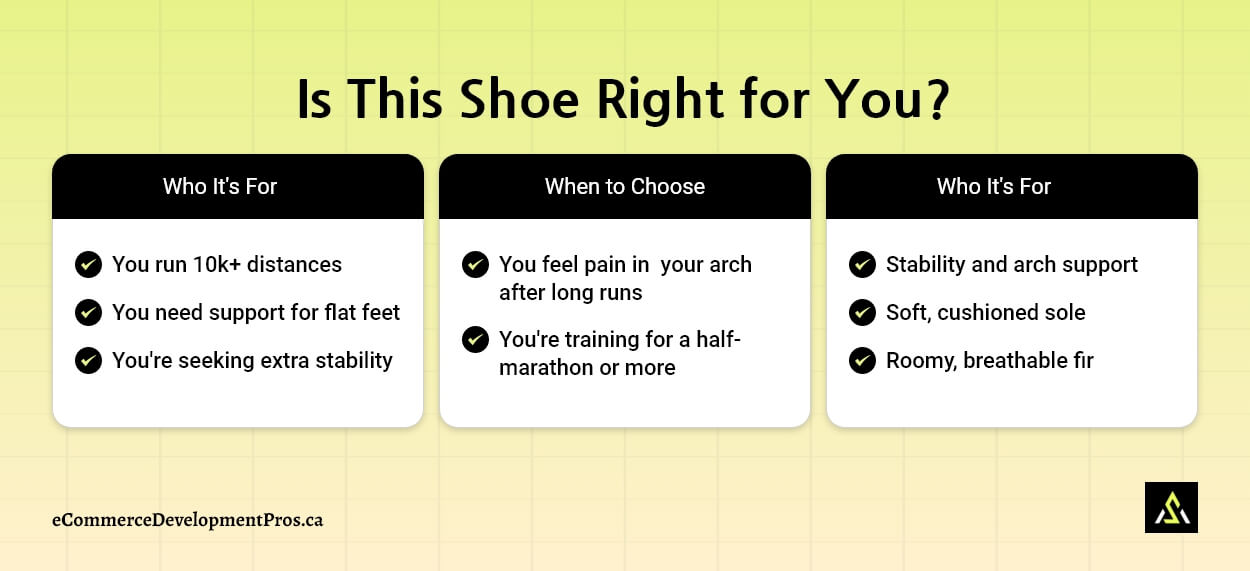
Result: AI can explain your product in plain terms.
2. Use Comparison Pages or Tables
AI often evaluates multiple options before making a recommendation. Make its job easier by providing:
- Key differences between products
- Use cases for each option
- Clear pros and cons
Tables work best. Keep them short.
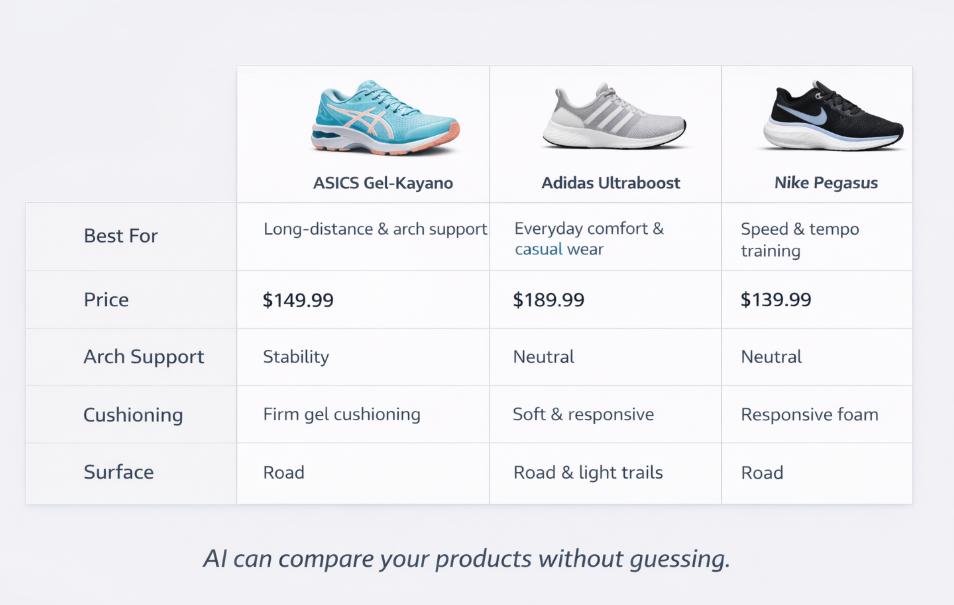
Result: AI can compare your products without guessing.
3. Add Clear FAQs to Remove Doubt
FAQs help AI answer confidently and reduce uncertainty. Focus on:
- Fit and sizing
- Delivery and returns
- Common buyer concerns
Write answers in the way real customers ask questions.
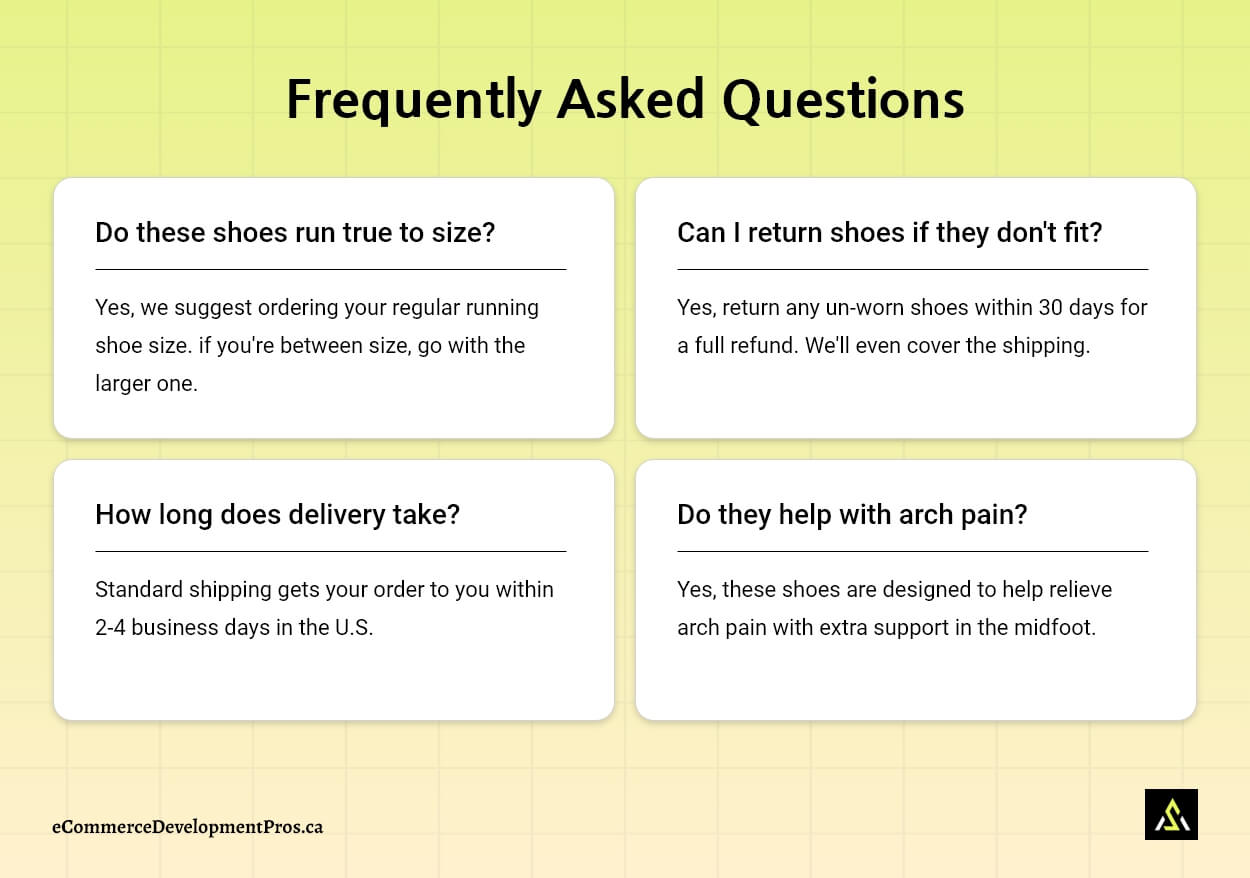
Result: AI can address doubts directly in its responses.
- Improve Category Page Explanations
Don’t just list products—add brief sections that explain:
- What the category is for
- When to choose one product over another
- Common use cases
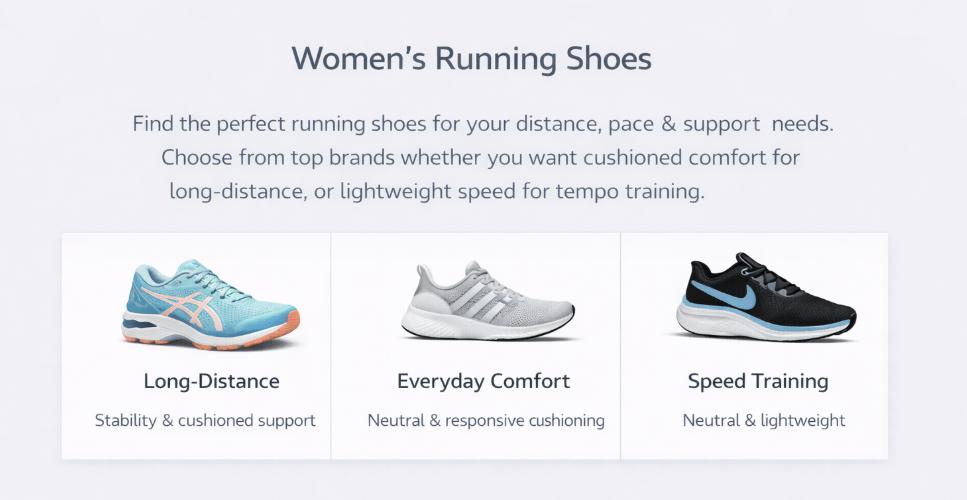
This provides AI with more context than a product grid alone.
Result: AI can understand how your products fit together.
EDP Insight
AI recommends stores that help buyers decide, not just buy.
Week 4 — Align Pages With AI Discovery Platforms
Goal: Make your store easy for AI to surface across search, assistants, and shopping results.
By Week 4, your store is clear, trusted, and well-explained.
Now it needs to fit how AI platforms actually show answers.
1. Add Clear Answer Sections for Google AI Overviews
Google AI Overviews pull concise answers. Make it easier by:
- Adding clear question-and-answer sections
- Writing direct, plain answers
- Placing answers near the top of pages
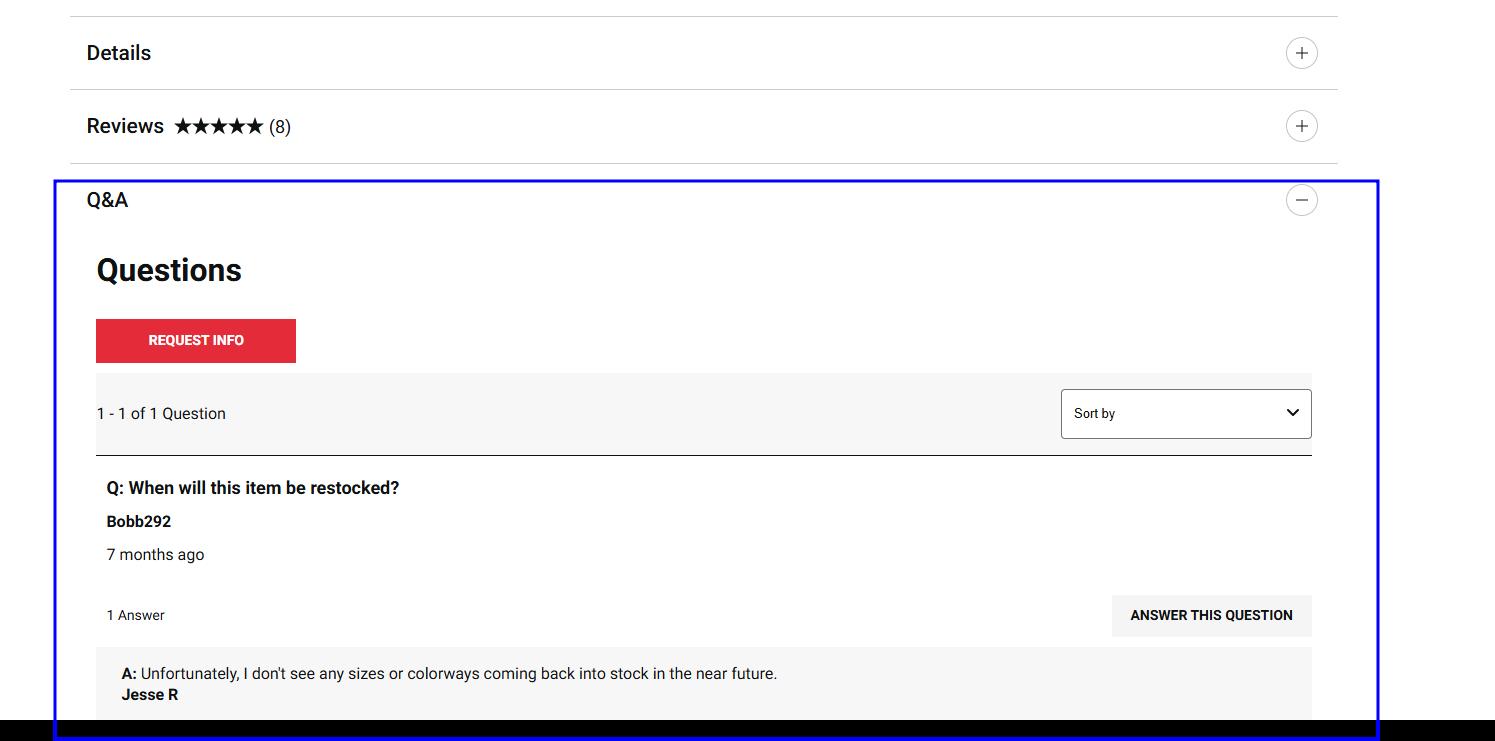
Result: Google can extract and summarize your content easily.
2. Use Intent-Rich Headings for SGE
SGE pairs pages with detailed questions. Make your content easier to match by:
- Using headings that highlight use cases
- Mirroring how shoppers phrase questions
- Avoiding vague category titles
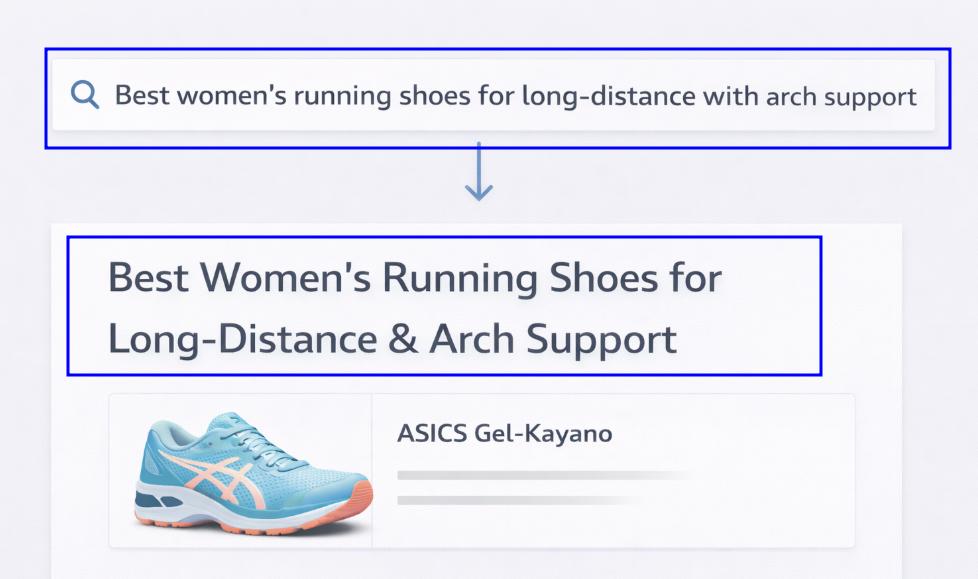
Clear, purposeful headings help AI link intent to content.
Result: Your pages align better with complex searches.
- Structure Content for ChatGPT & Perplexity
LLMs work best with organized content. Make your pages easier to reference by including:
- Clear definitions
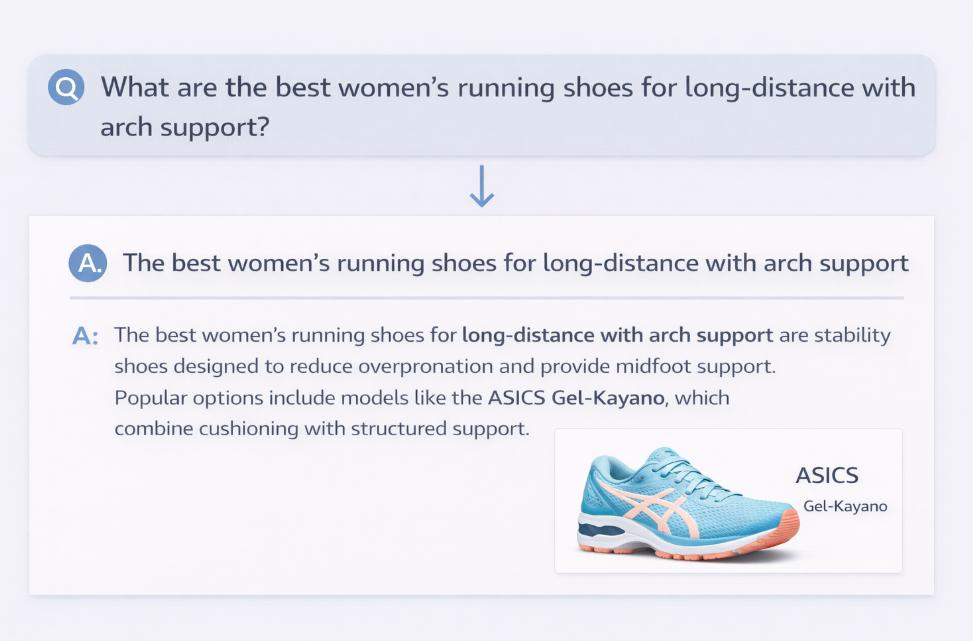
- Add short steps or lists that answer “What / When / Who”
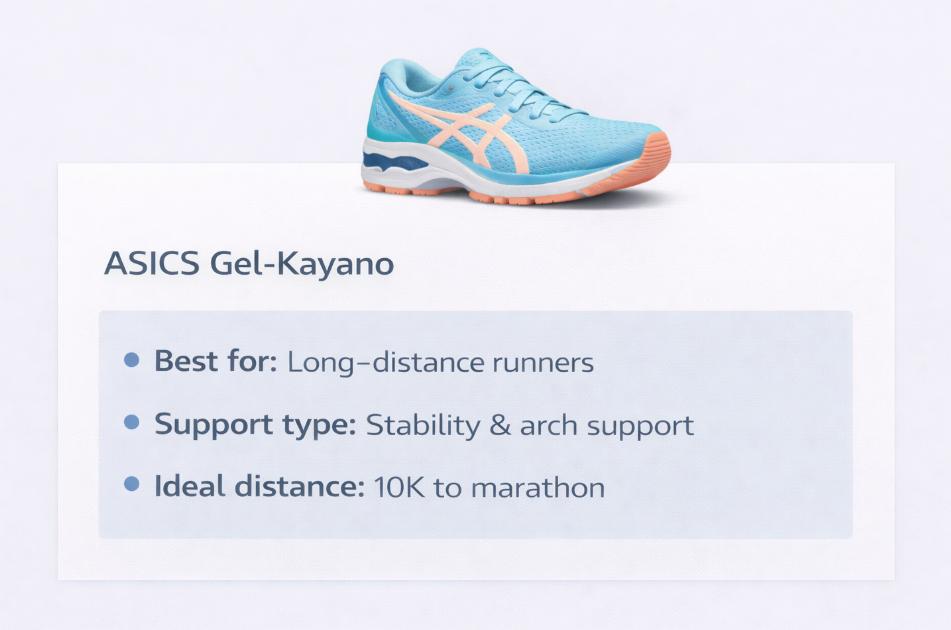
- Use simple tables when helpful
Result: Your store becomes easier for LLMs to cite.
- Confirm Signals for AI Shopping Agents
AI shopping agents prioritize trust and reliability. Make sure your pages show:
- Clear delivery speed
- Reviews that support product claims
- Accurate inventory status
- Complete product details
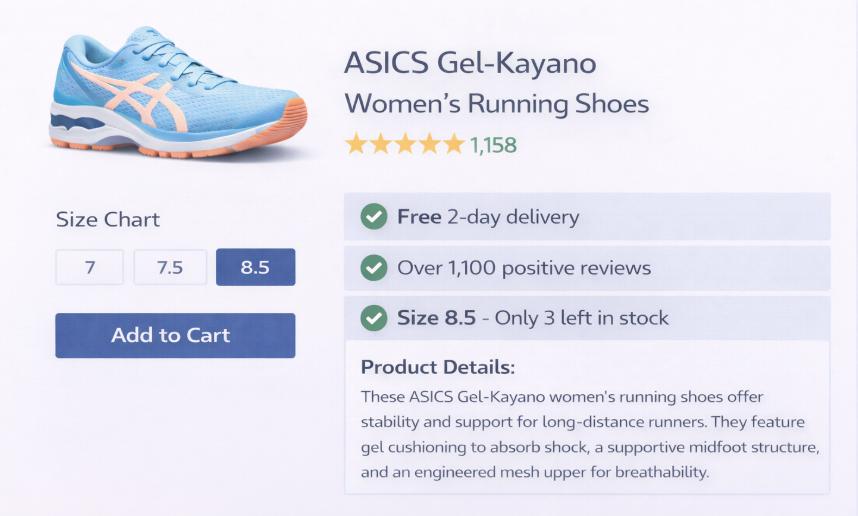
Result: Your products remain eligible for AI-driven shopping.
EDP Insight
AI rewards clarity and relevance, not busy work. Align your pages with how it answers questions.
What to Do After 30 Days
The first 30 days set the foundation. What you do after that is what actually builds momentum.
Focus on:
- Keeping every new product aligned with the same structure, clarity, and format you’ve already set
- Updating reviews and product content so nothing feels outdated or inactive
- Paying attention to where AI includes your brand—and where it doesn’t—so you can fix gaps early
- Turning real customer questions into new guides, FAQs, and comparisons
This isn’t something you “finish.” It’s something you maintain.
Over time, these small updates add up—and that’s what keeps your products visible.
EDP Insight
AI doesn’t reward one-time effort. It favors stores that stay clear, consistent, and current.
Ecommerce AI Discovery FAQs
How do I get my eCommerce store mentioned by Google AI Overviews?
Your store shows up in Google AI Overviews when your content is easy to understand and easy to trust.
That means:
- Clear buying guidance
- Well-structured content
- Strong trust signals
If Google can quickly summarize your page with confidence, it’s more likely to include it.
Why doesn’t ChatGPT or Perplexity recommend my eCommerce store?
Inconsistent product information, thin or incomplete content, and weak or missing trust signals are the common reasons for AI like ChatGPT or perplexity to not recommend your store.
LLMs favor sources that read like reliable references, not marketing pages.
Does SEO still matter in the age of AI-powered search?
Yes, but SEO alone is no longer enough.
SEO helps AI find your store, while AI optimization helps it decide whether to recommend it. Modern visibility requires both.
Is AI optimization (AEO) different from conversion rate optimization (CRO)?
Yes. AI optimization (a.k.a. AI Answer Engine Optimization) focuses on whether your store is recommended at all, while CRO focuses on what happens after a shopper lands on your website.
AI optimization earns visibility in AI-driven results and drives traffic to the website. CRO improves performance once traffic lands and helps convert them into customers.
What makes an eCommerce store “AI-discoverable”?
An eCommerce store becomes AI-discoverable when its content is easy to understand, reliable, and simple to explain. This comes from clear product use cases, consistent data, and helpful buying content as discussed in this guide.
If AI can explain why your product fits a question, it can recommend it.
How do AI tools decide which eCommerce products to recommend?
AI tools recommend products that feel low-risk and highly relevant. They evaluate clarity, reviews, delivery reliability, and product data consistency.
Can small eCommerce stores compete with big brands in AI results?
Yes. Brand size matters less in AI-driven results.
What matters more:
- Clear messaging
- Strong relevance
- Easy-to-understand content
Smaller, focused stores can compete—and often win.
Do I need to rebuild my eCommerce store to optimize for AI?
No. A full rebuild isn’t necessary—clear product details, strong trust signals, and better structure usually make the difference.
How long does it take to see results from AI optimization?
Many stores see early signals within a few weeks. AI systems respond quickly once content and product data become clear.
Visibility grows over time as consistency builds.
Turning Insight Into Action
Understanding how AI-driven discovery works is only the first step.
The next step is making sure your store consistently meets the signals AI looks for—product clarity, trust, and structured content.
If you want a clear starting point, use the checklist below to identify what’s missing and what to fix first.
If you want a clear starting point, download our 30-Day E-commerce AI Visibility Checklist for 2026.
Download 2026 Ecommerce AI Visibility Checklist
This checklist is based on the same internal evaluation framework we use to assess ecommerce stores for AI discovery. It helps you quickly identify:
- What’s blocking AI recommendations today
- Which signals matter most
- What to fix first—and what to ignore for now

Need hands-on help?
We help Shopify brands align product, trust, and delivery signals so AI systems can recommend their stores.